
Used Bottling Equipment Checklist: What to Inspect Before Buying
A pre-purchase technical inspection checklist for used bottling lines: checking valve seals, rotary cam wear, PLC obsolescence, change parts availability, and landed recommissioning costs.
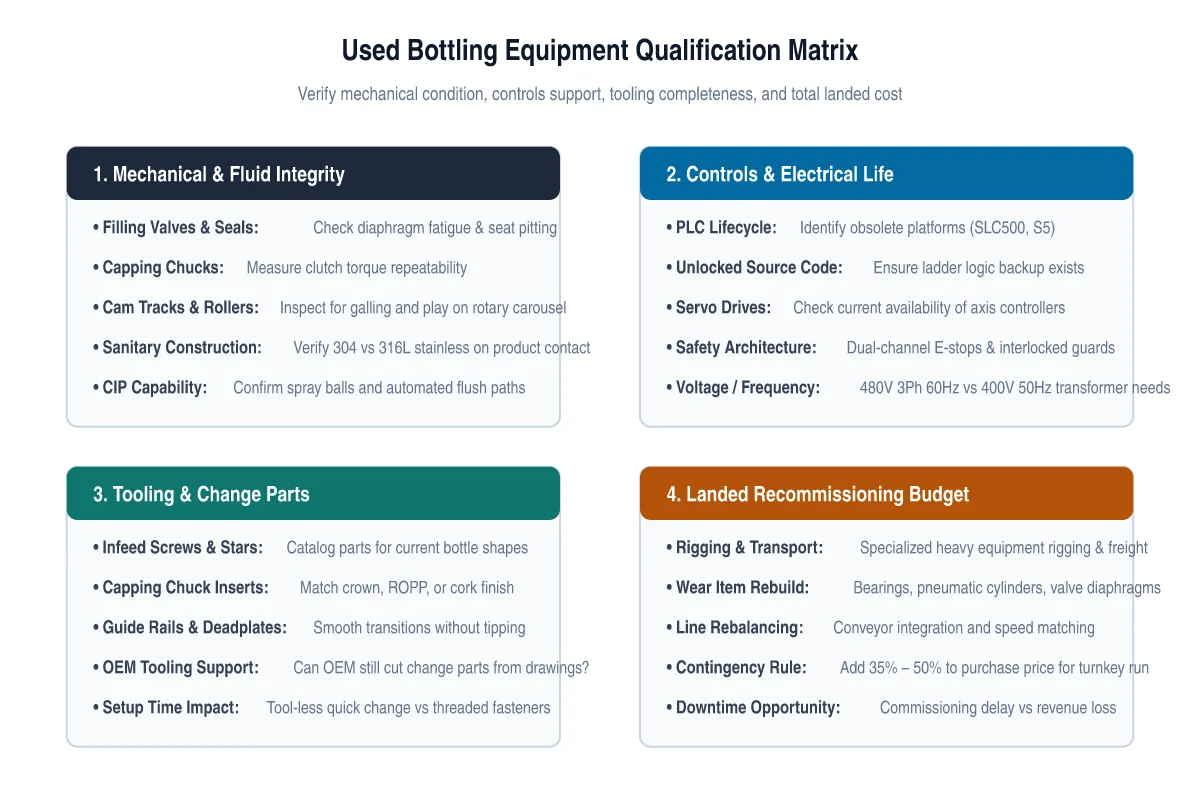
Purchasing used bottling equipment can cut upfront capital expenditure by 40% to 70% compared to new factory machinery, while slashing delivery lead times from nine months down to a few weeks. However, an unverified second-hand machine often conceals worn rotary bearings, discontinued electrical drives, or missing format change parts that erase initial cost savings during commissioning.
Whether acquiring a standalone rotary filler, a monoblock rinser-filler-capper, or a complete packaging line from a decommissioned plant, this inspection framework details what to evaluate on-site before executing purchase agreements.
1. Mechanical Condition and Wear Analysis
Liquid bottling involves repetitive mechanical motions and constant moisture exposure. Focus on wear components that require costly teardowns:
- Rotary Carousel Cam Tracks and Cam Rollers: In rotary fillers and cappers, mechanical cam tracks dictate nozzle descent and filling bowl timing. Inspect cam track surfaces for scoring, pitting, or uneven step wear. Excessive play in cam follower bearings causes inconsistent fill heights and erratic capping torque.
- Filling Valves and Diaphragms: Disassemble at least two sample filling valves. Inspect valve stems for axial play and check stainless steel valve seats for erosion or wire-drawing grooves. For counter-pressure fillers handling carbonated beverages, inspect snift valves, vent tubes, and seal seats. Ensure replacement seals and elastomeric diaphragms (EPDM, Viton, or PTFE) remain commercially available.
- Capping Heads and Clutches: Examine magnetic or mechanical capping clutches on screw cappers. Measure torque repeatability across multiple heads using a calibrated bottle torque tester. On crown corkers, inspect crimping jaws for fatigue cracks.
- Sanitary Metallurgy: Verify that all product-contact surfaces are constructed from AISI 316L stainless steel rather than 304, particularly for acidic juices, wine, or chlorinated sanitation regimens. Check welds inside bowls and product manifolds for crevice corrosion.
Before planning floor layout, review our foundation principles in planning a glass bottling line.
2. Electrical Controls and PLC Obsolescence
A mechanically sound machine can quickly become unusable if its electronic brain fails and replacement parts are obsolete.
- Audit the PLC and HMI Platform: Identify the exact brand and family of the programmable logic controller. Legacy platforms—such as Allen-Bradley SLC 500, PLC-5, or Siemens Simatic S5—are completely obsolete with no manufacturer support. Retrofitting an obsolete PLC to a modern Allen-Bradley CompactLogix or Siemens S7-1500 typically adds $15,000 to $40,000 in programming and hardware.
- Servo Drives and Motors: Verify whether motion drives (e.g., Kinetix or Indramat) are still supported in primary vendor catalogs. Obsolete drives traded on aftermarket surplus websites command high premiums and cause extensive downtime during failure.
- Demand Unlocked Source Code: Ensure the seller provides an unpassworded digital backup of the PLC ladder logic, motion parameters, and HMI runtime application files. If the original program is locked with OEM proprietary passwords, routine parameter tuning or format additions become impossible without contracting the original builder.
- Utility Compatibility: Check voltage and frequency ratings on the machine nameplate. Converting an imported European 400V 50Hz machine to North American 480V 60Hz requires sizing auxiliary isolation step-up transformers and verifying that 50Hz induction motors will not overheat or run 20% over-speed on 60Hz utility grids.
Compare quote structures using our bottling equipment RFQ checklist.
3. Tooling and Change Parts Completeness
Bottling machines rely on custom machined parts to transport specific glass containers. A machine setup for 12 oz longneck beer bottles will not handle 750 ml Bordeaux wine bottles without dedicated change tooling:
- Timing Infeed Screws: Verify feedscrew pitch matches your container diameter and prevents container collision at line infeed.
- Starwheels and Center Guides: Check pocket clearance. Starwheels must guide containers without pinching or scratching label panels.
- Capper Chute and Orientation Feed: Check whether cap sorting bowls and feed chutes match your exact closure size (e.g., 28mm ROPP vs 38mm screw cap).
- Tooling Availability: If existing change parts do not match your glass bottles, confirm whether the original manufacturer or specialized third-party tooling houses (such as Change Parts, Inc. or Morrison) have CAD models on file to fabricate new sets. Budget $3,000 to $8,000 per format set.
For format change procedures, review bottling line changeover best practices.
4. Total Landed Cost (TCO) Model
The purchase price of a used machine typically accounts for only 50% to 65% of the total investment required to get it operating reliably on your packaging floor:
| Cost Item | Typical Allocation | Critical Risk to Verify |
|---|---|---|
| Base Purchase Price | 50% – 65% | Wire release terms tied to witnessed test run |
| Rigging & De-installation | 5% – 10% | Experienced packaging machinery rigging crew |
| Air-Ride Logistics | 5% – 8% | Climate-controlled enclosed tarp transport |
| Wear Part Overhaul | 10% – 15% | New bearings, seals, belts, air cylinders, sensors |
| Change Tooling Set | 5% – 10% | Custom stars and feedscrews for target bottles |
| On-site Commissioning | 10% – 15% | Electrical integration and test production runs |
Always insist on witnessing a live test run with water or product simulant at full operating speed prior to releasing final escrow payments.
Related guides

Bottling Equipment RFQ Checklist: Comparing Supplier Proposals
How to write a bottling equipment RFQ so suppliers quote the same inputs, scope and performance basis, with a matrix for FAT, SAT, spares and warranty.
Read the guide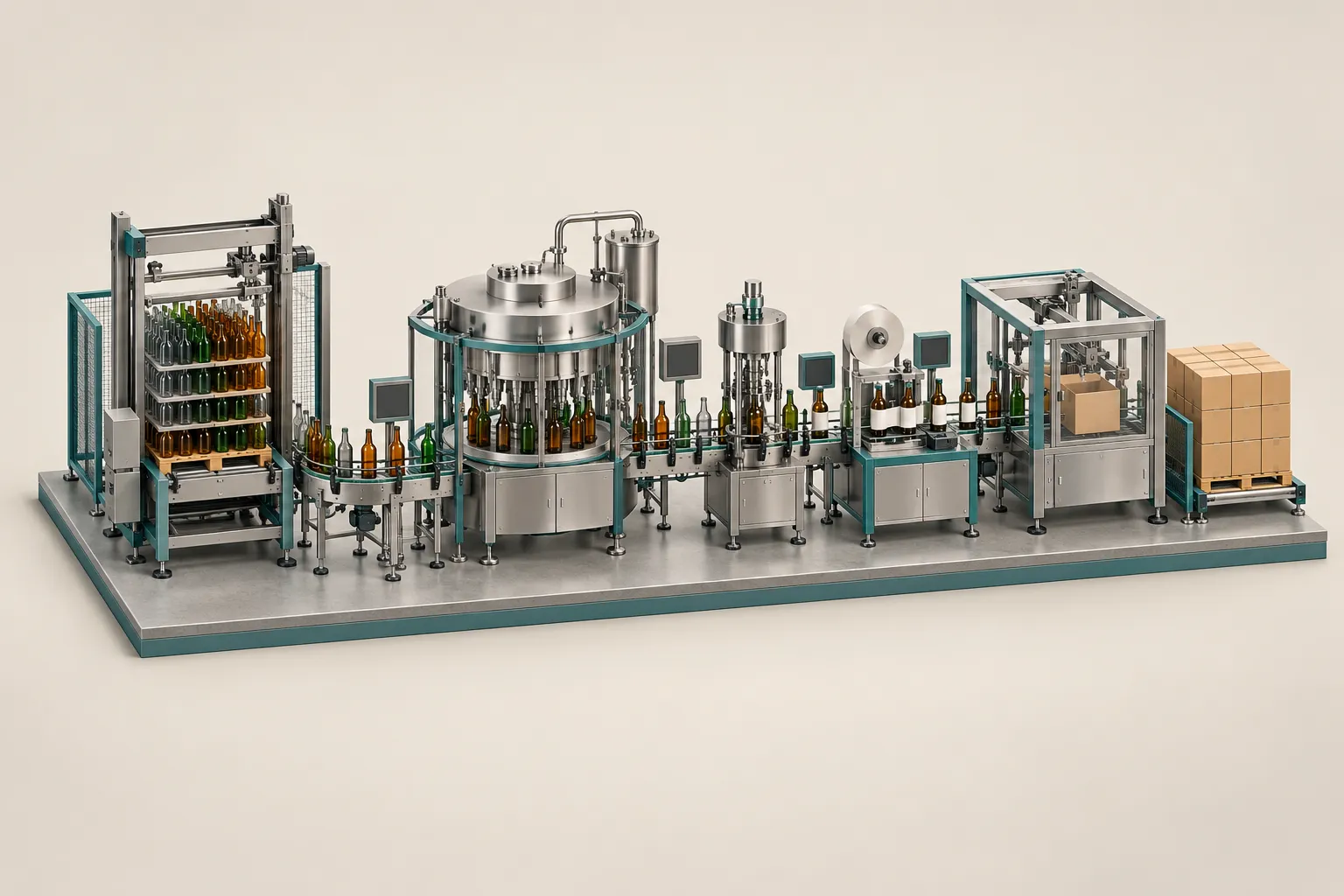
Planning a Glass Bottling Line: From Empty Bottles to Packed Cases
How to divide a glass bottling line into stations, size buffers around the bottleneck machine, and confirm machine interfaces before requesting quotes.
Read the guide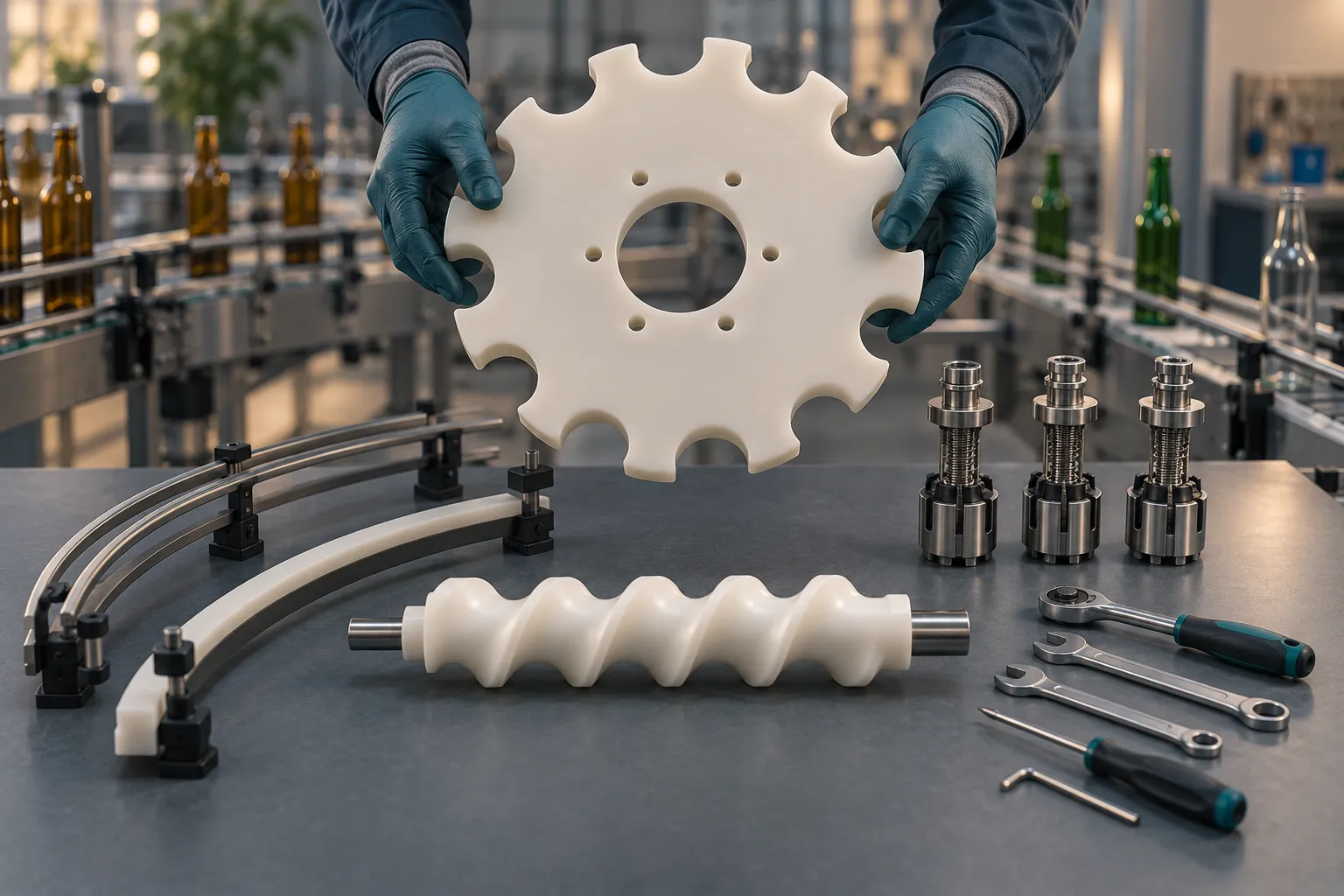
Bottling-Line Changeovers: What to Check Before Adding a New Bottle
Which change parts a new glass bottle touches, which bottle data to check, and how to run and document a trial before the bottle goes into production.
Read the guide