
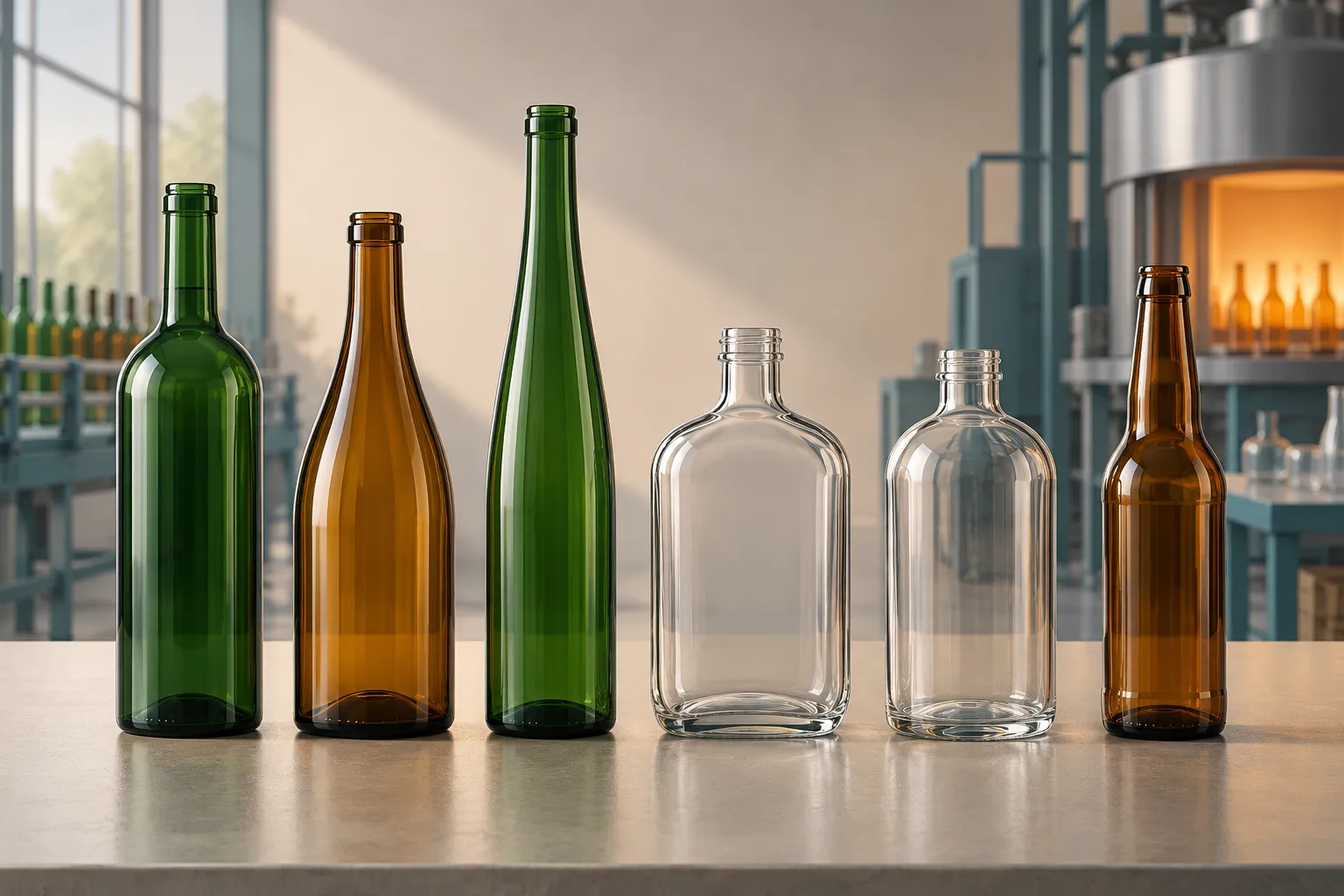
Glass Bottle Types and Sourcing: A Buyer’s Reference
How glass bottle shapes, finishes, colors and capacities are described, how to search for stock and unusual shapes, and what to send suppliers.
Read the guideChoosing a glass bottle or jar starts with a clear description of what you need: shape, capacity, finish, closure and glass color. These guides explain how to name those requirements and turn them into a specification a supplier can quote against. They also cover when a stock container is enough and when a custom design is worth the extra steps.
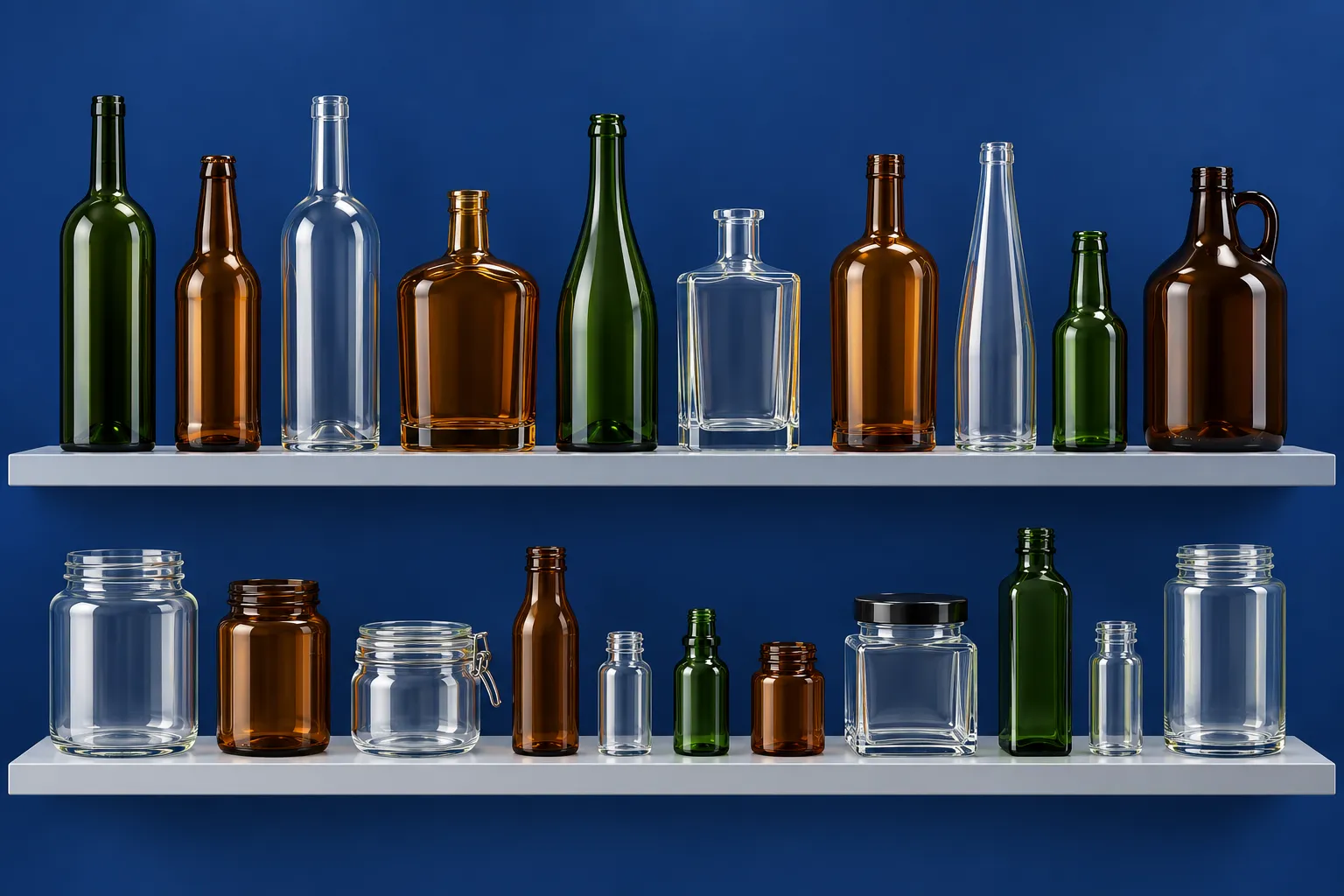
How glass bottle shapes, finishes, colors and capacities are described, how to search for stock and unusual shapes, and what to send suppliers.
Read the guideWhat kind of bottle or jar are you looking for?
How glass bottle shapes, finishes, colors and capacities are described, how to search for stock and unusual shapes, and what to send suppliers.
Read the guide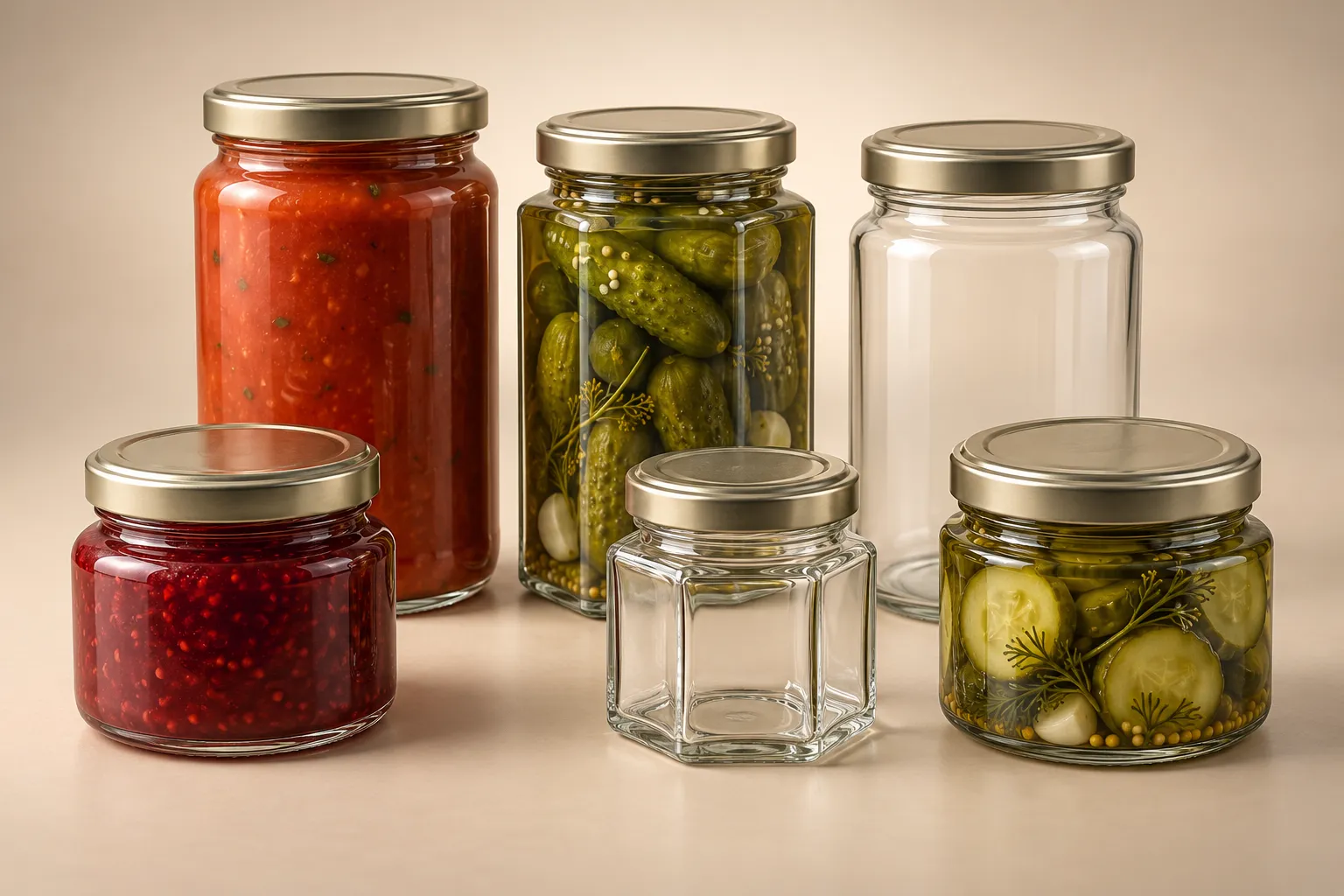
How to choose a food jar by treating the body, the finish and the closure as one package, with notes on lug, CT and PT caps, vacuum sealing and hot fill.
Read the guideWill the neck finish accept the closure you plan to use?

How to read finish designations such as 28-400 and the T, E, I, H and S dimensions, and why a matching nominal diameter does not prove a closure fits.
Read the guideHow do you write the request so suppliers can answer it?
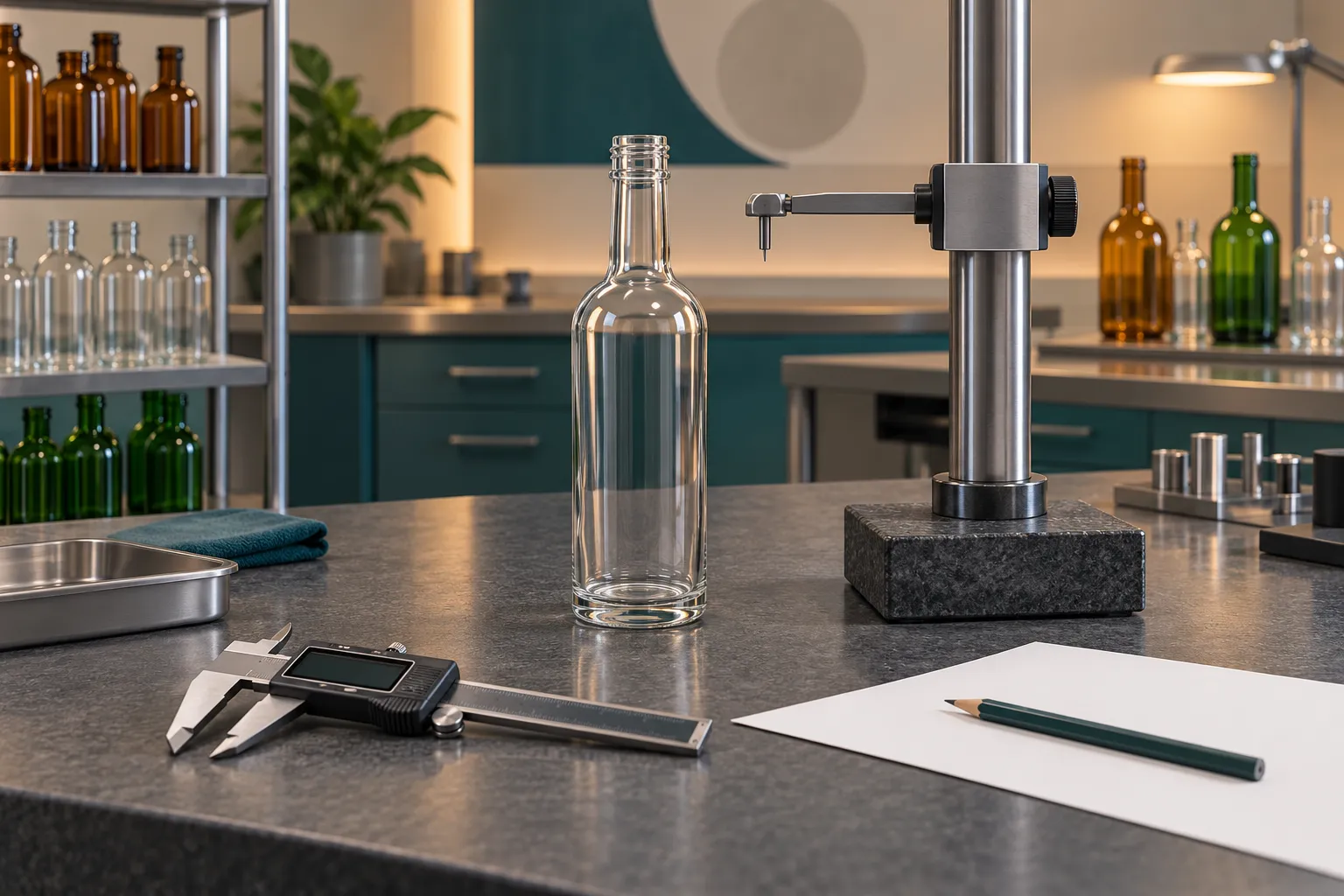
A checklist of what to state in a glass bottle enquiry: drawing dimensions, capacity and fill point, finish, color, strength, decoration, quality and packing.
Read the guide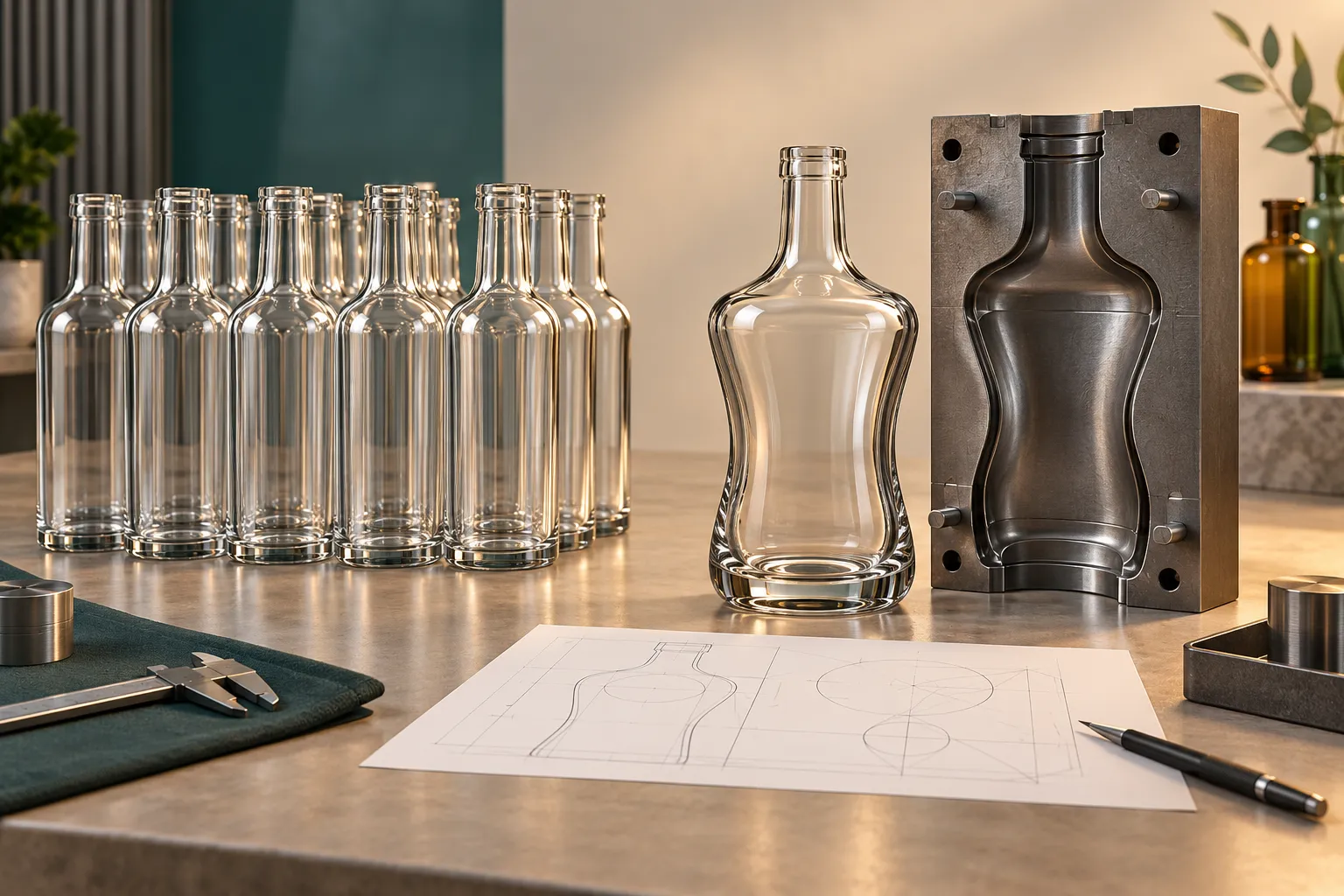
Compare stock and custom glass bottles on tooling ownership, minimum quantities, sampling, documentation, line trials and supply continuity before you order.
Read the guideA glass bottle or jar looks like one object, but a supplier reads it as several separate decisions: the shape, the neck finish, the closure, the glass color, the capacity and the weight. Most problems with new containers come from deciding one of these in isolation and finding later that it conflicts with another. This overview explains the vocabulary, puts the decisions in the order a buyer usually faces them, and points to the guide that answers each question.
As the buyer’s reference on glass bottle types and sourcing explains, a bottle is described by five things a supplier can check: the shape family, the finish, the glass color, the capacity, and the dimensions and weight on a drawing. A name such as “Bordeaux” or “longneck” narrows a search but does not define a bottle. Two bottles with the same name can differ in height, shoulder, weight and finish.
These terms come up in every enquiry:
Buyers tend to start with how the container looks, which is not the best order. The guides suggest working back from the product and the process instead.
| Your question | Start with |
|---|---|
| How do I describe a shape, or find an unusual one? | Glass bottle types and sourcing |
| What changes when the container is a food jar? | Glass jars for food |
| Will this closure fit this neck? | Neck finishes and closures |
| Do I need a new mold? | Stock vs. custom bottles |
| What do I write in the enquiry? | Bottle specification checklist |
The jar guide treats a food jar as three decisions made together: body shape, finish and closure. Shelf-stable foods usually rely on vacuum-type closures, and the guide describes lug, continuous-thread and press-on twist-off families that are not interchangeable even when the nominal diameter matches. For hot-filled products it also raises thermal shock, which depends on container design, weight and geometry, so the jar maker, the closure maker and a process authority all need to be involved.
Glass choices drive equipment choices. The closure you pick determines the machine that applies it, which capping equipment for glass bottles and jars covers, and a lighter bottle needs evidence beyond a weight figure, as described in lightweight wine bottles. When the container is settled and you are ready to compare machine proposals, the bottling-line guides take over, and you can reuse the finished specification in the equipment request.