
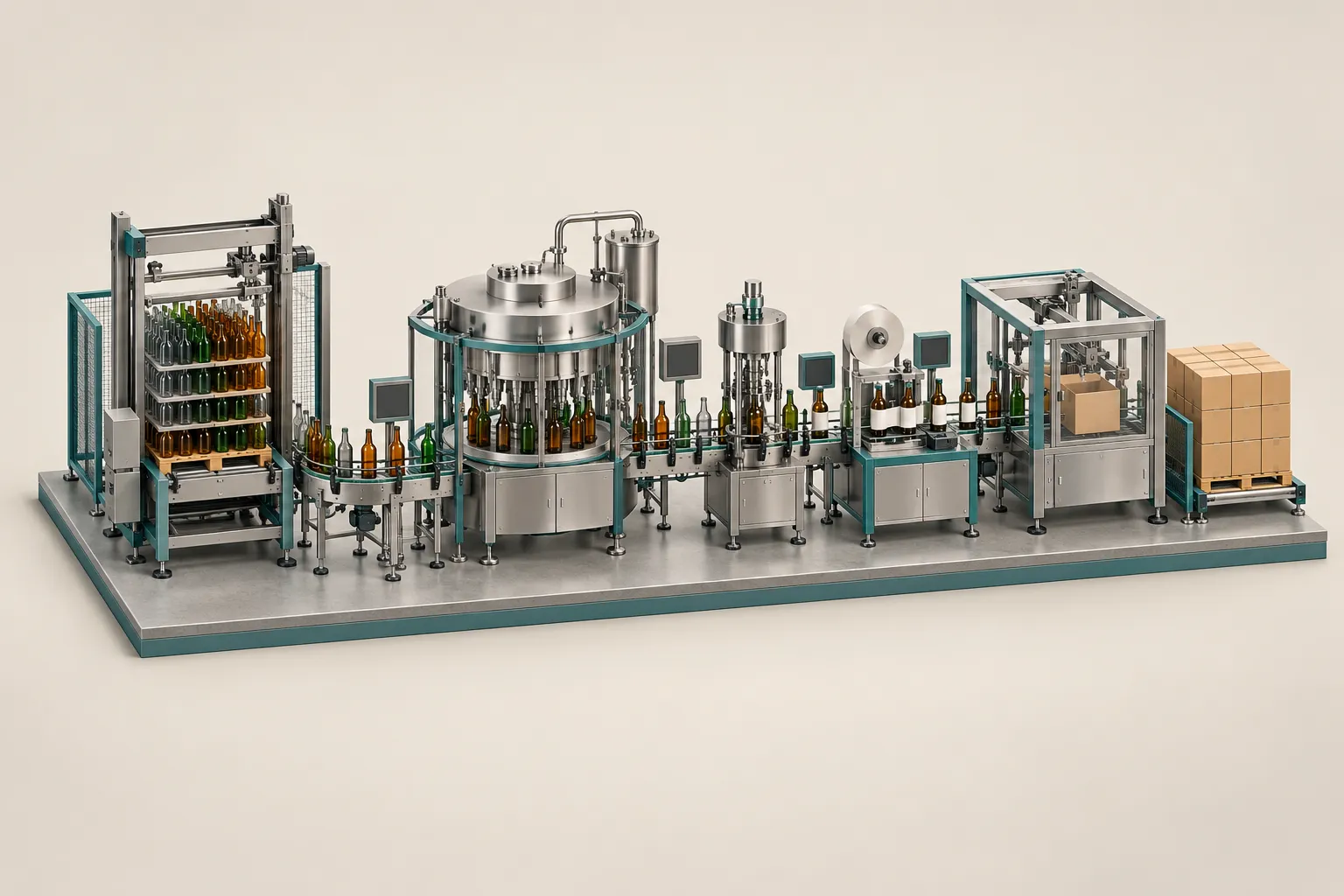
Planning a Glass Bottling Line: From Empty Bottles to Packed Cases
How to divide a glass bottling line into stations, size buffers around the bottleneck machine, and confirm machine interfaces before requesting quotes.
Read the guideA bottling line works only when the container, the closure and each machine suit one another. These guides follow the line from empty-bottle infeed through filling, closing, labeling, inspection and packing. Start with the planning guide, then read the machine guides in the order bottles travel.
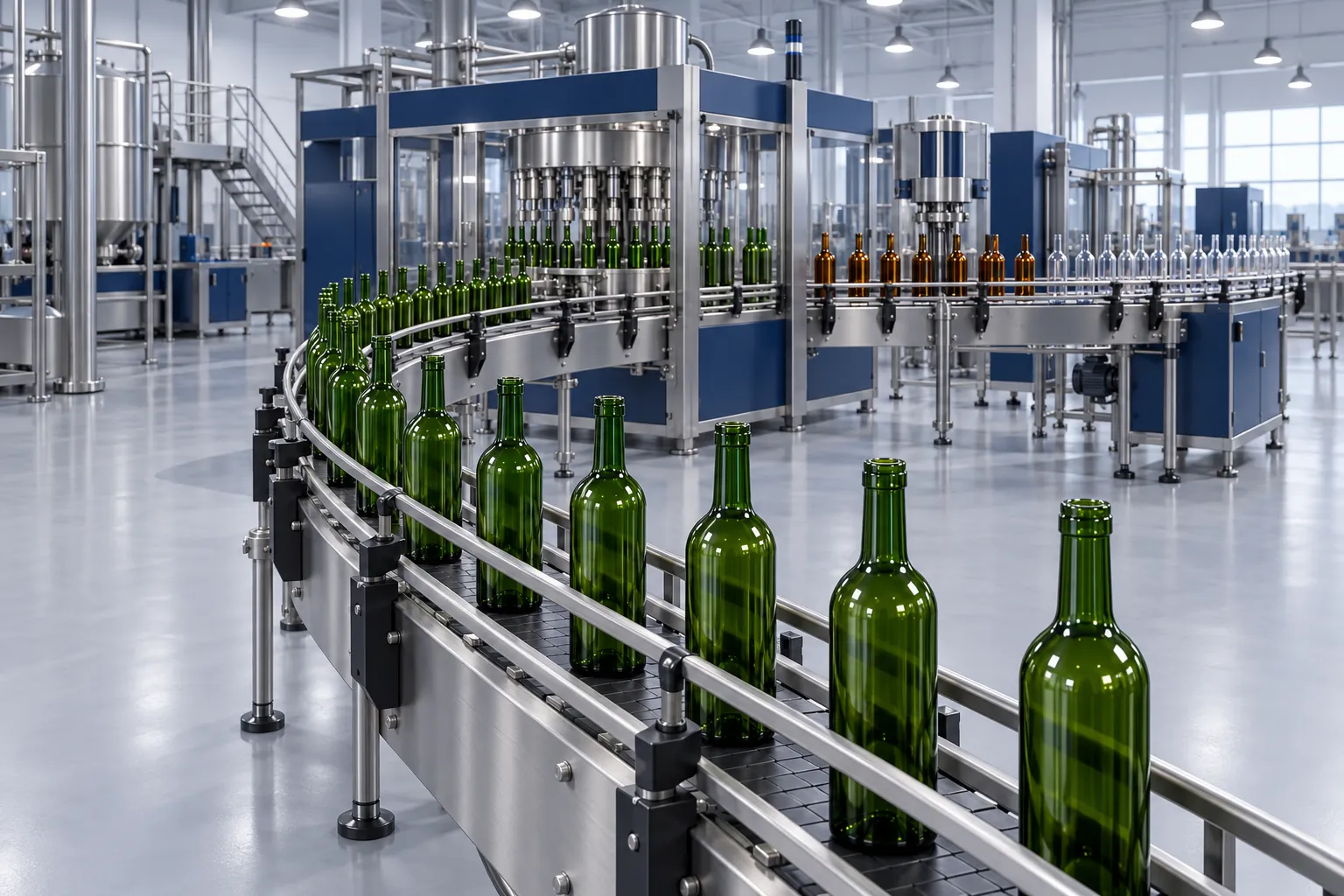
How to divide a glass bottling line into stations, size buffers around the bottleneck machine, and confirm machine interfaces before requesting quotes.
Read the guideHow do the stations fit together?
How to divide a glass bottling line into stations, size buffers around the bottleneck machine, and confirm machine interfaces before requesting quotes.
Read the guideHow do bottles get into the line, get filled and get sealed?
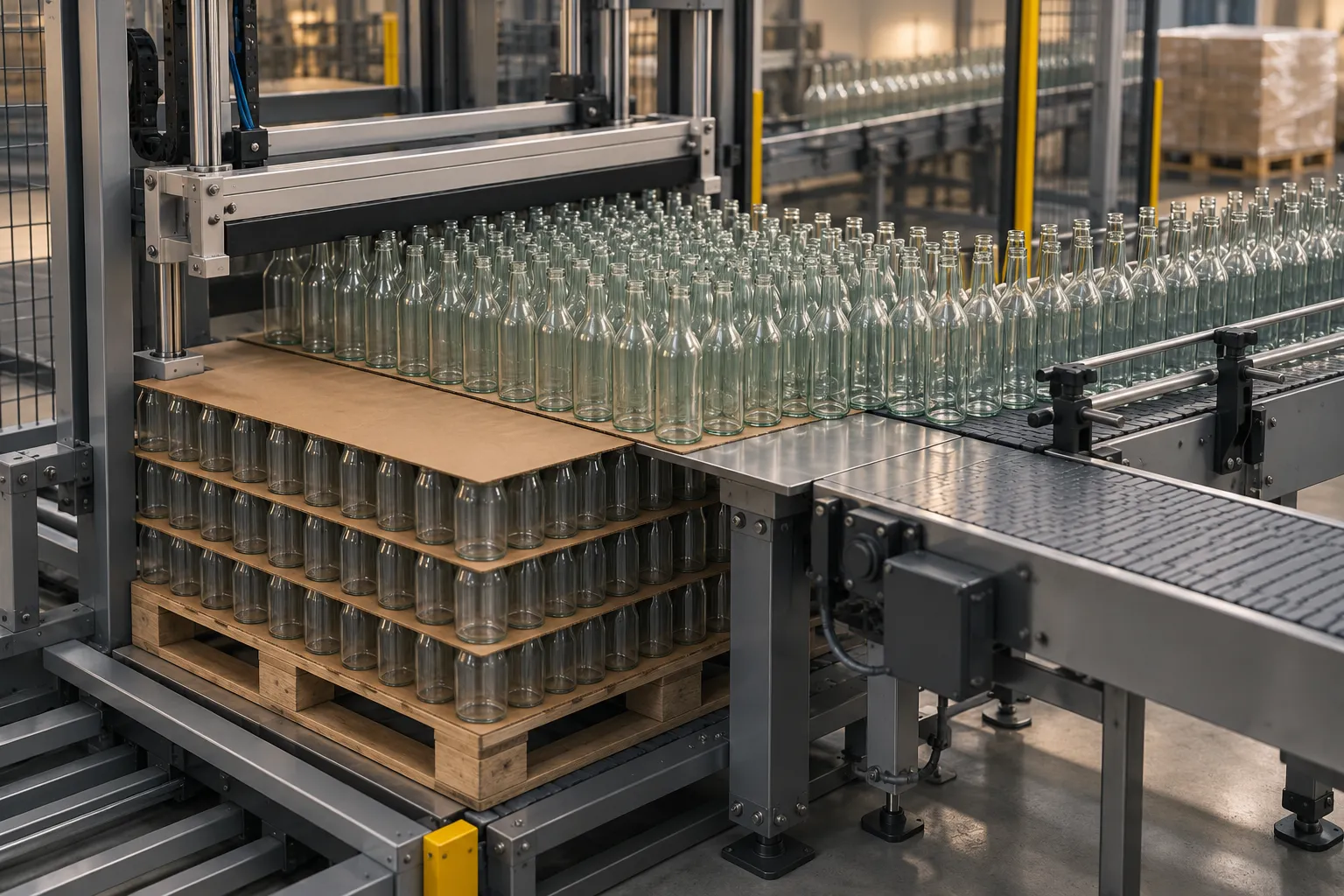
How empty glass arrives (bulk pallets with tier sheets or cased), how layer sweep-off compares with other methods, and what to specify for single-filing.
Read the guide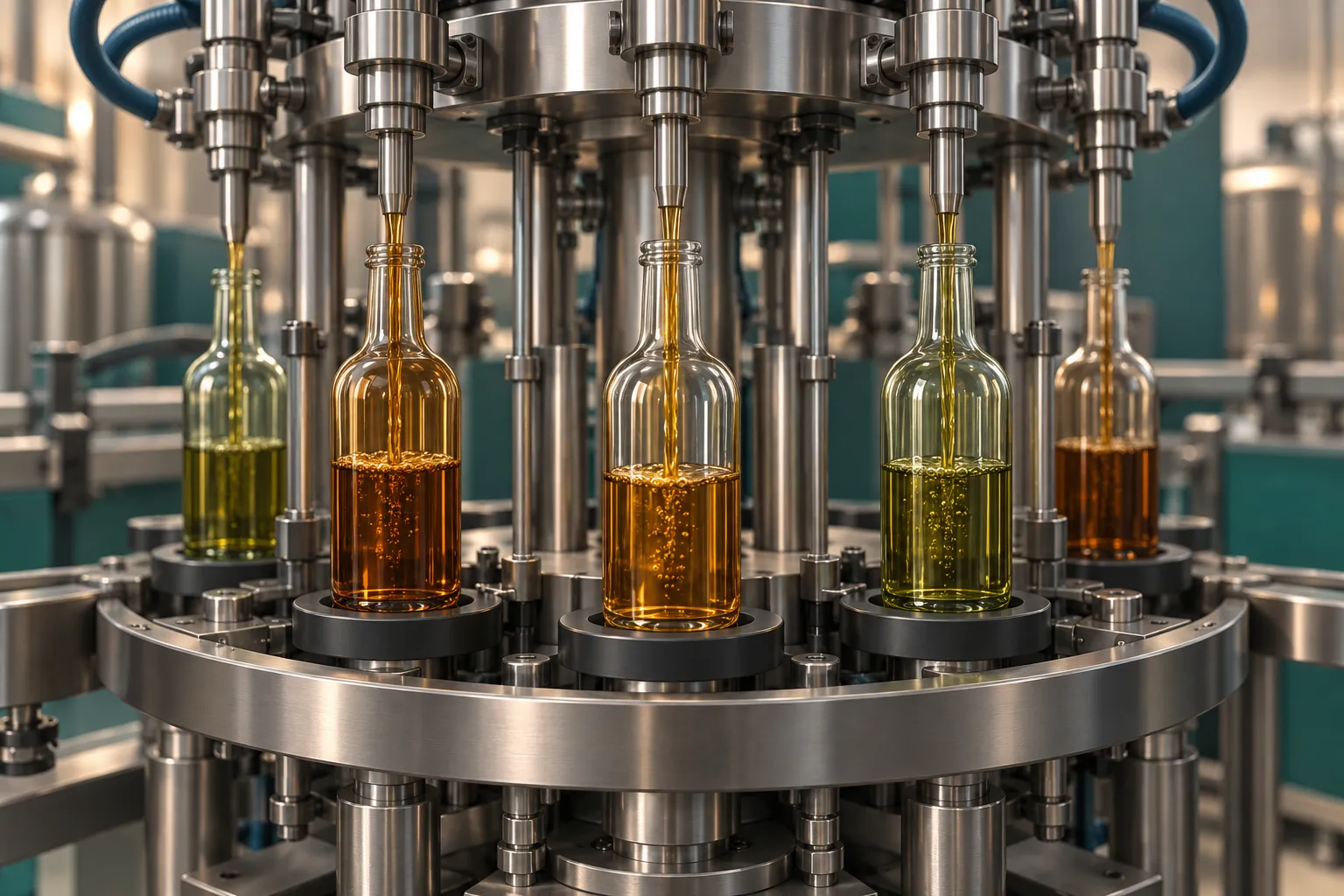
Compare gravity, vacuum, counter-pressure, piston and flowmeter filling for glass bottles by product, container and line fit, and learn what to ask suppliers.
Read the guide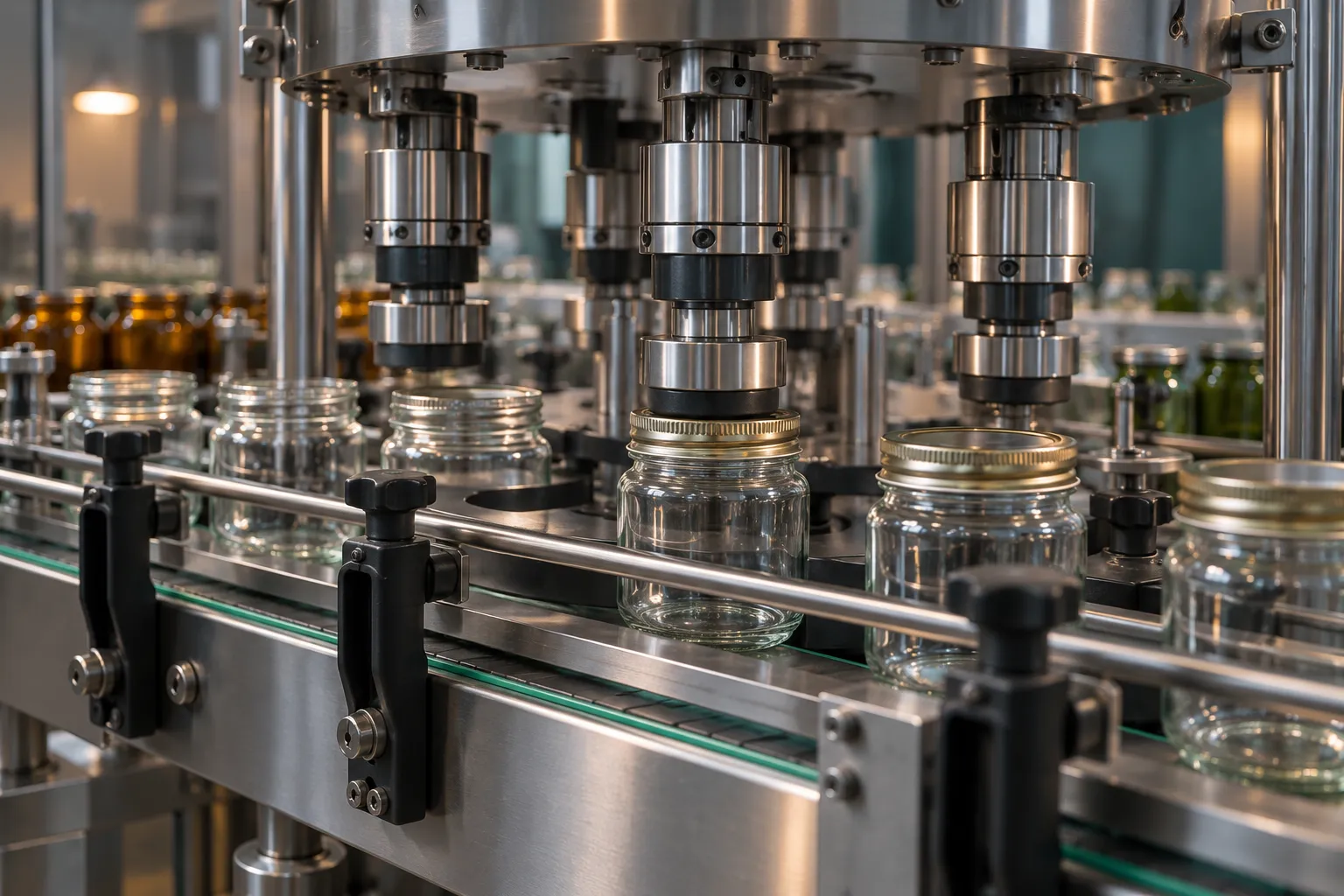
Prepare a capping requirement from finish and closure data: screw, ROPP, crown, lug, press-on and cork application, torque, and how to verify closures.
Read the guideWhat happens after the bottle is closed?
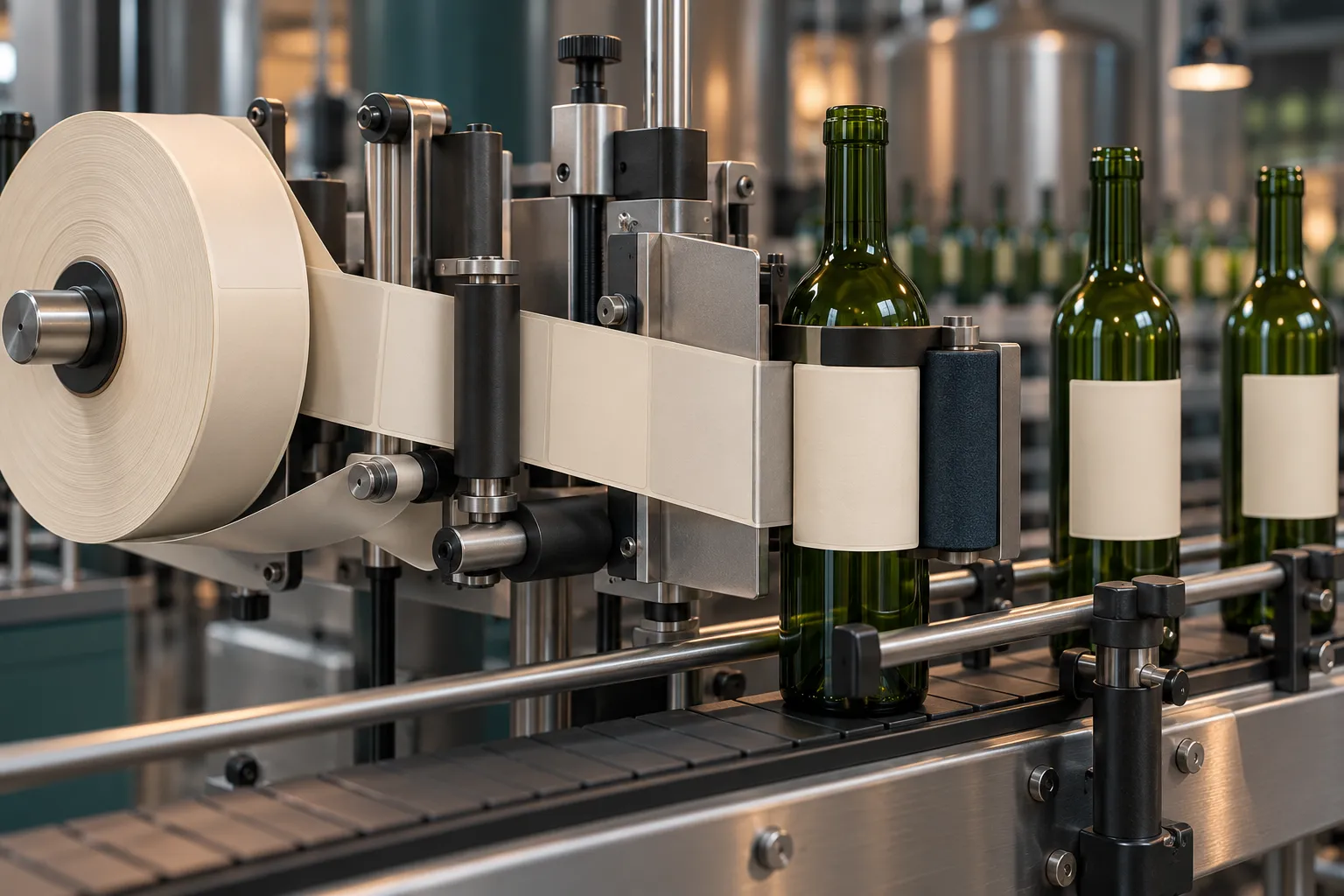
What pressure-sensitive, wet-glue and sleeve labeling each demand from a glass bottle, and which container and condensation conditions belong in a requirement.
Read the guide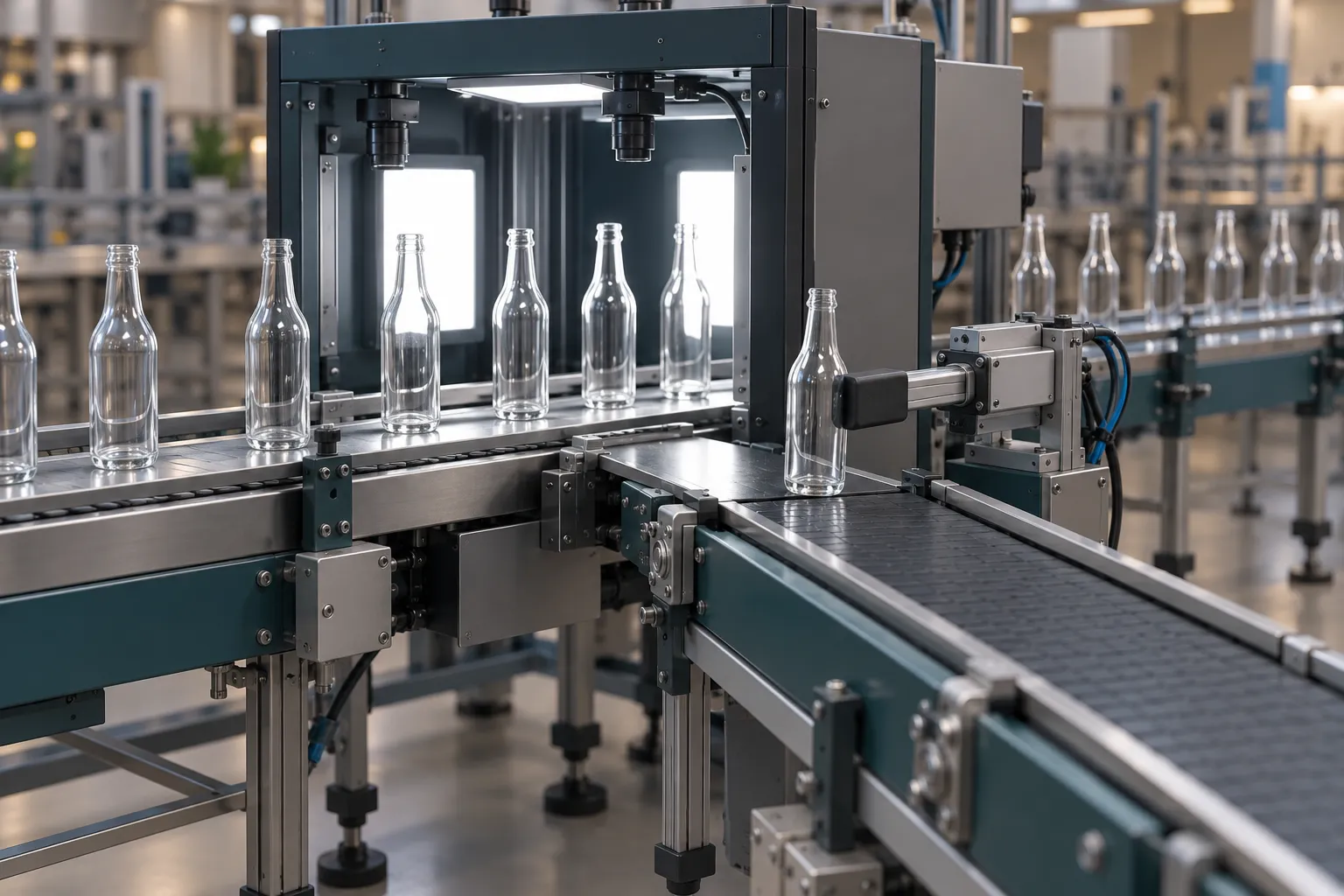
Compare empty bottle, fill level, closure, label and code inspection by scope and limits, and ask for reject verification, test bottles and validation records.
Read the guide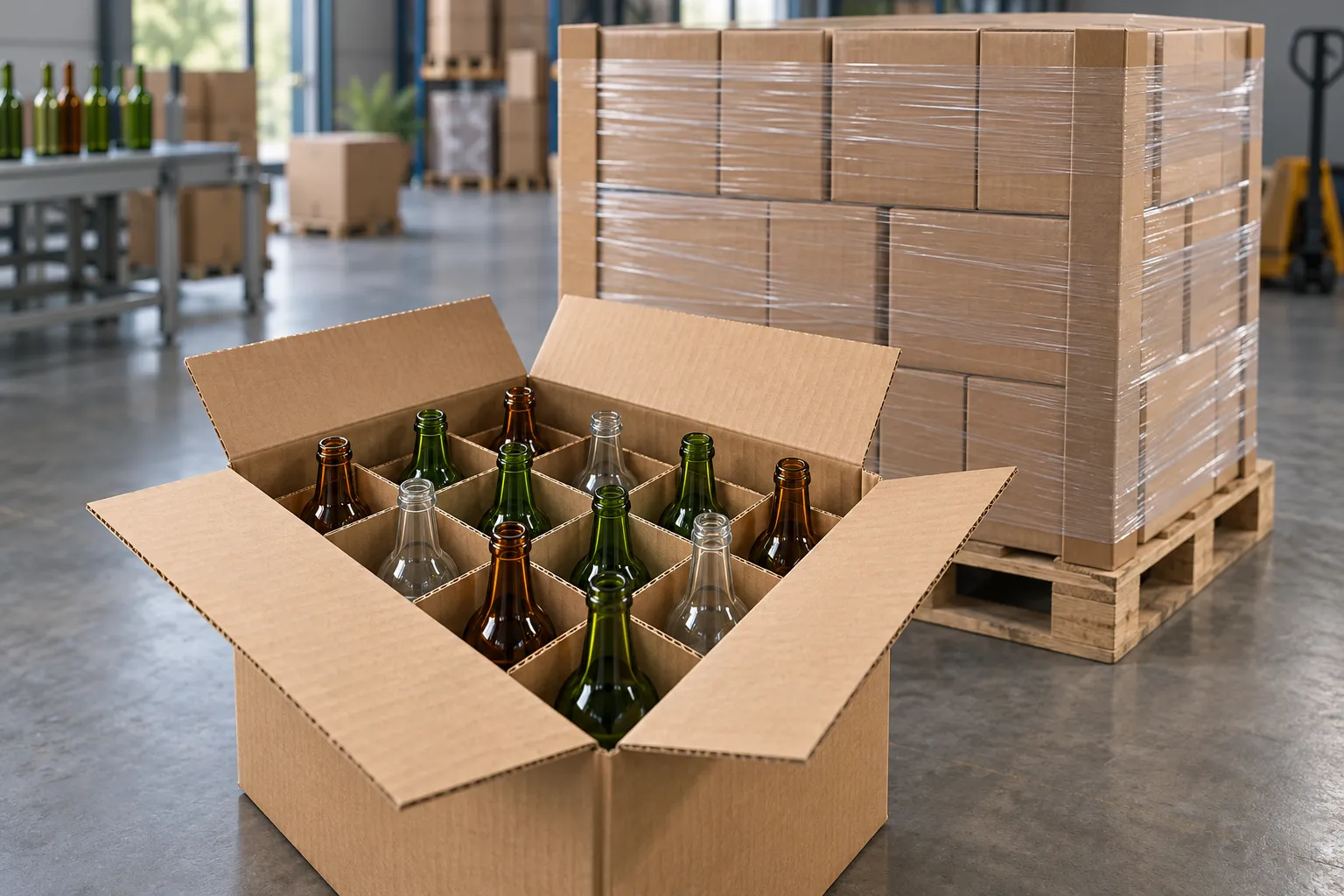
How to compare case styles, drop and pick-and-place packers, partitions, tier sheets and pallet containment for glass, and which logistics rules to confirm.
Read the guideWhat changes when a new bottle joins the line?
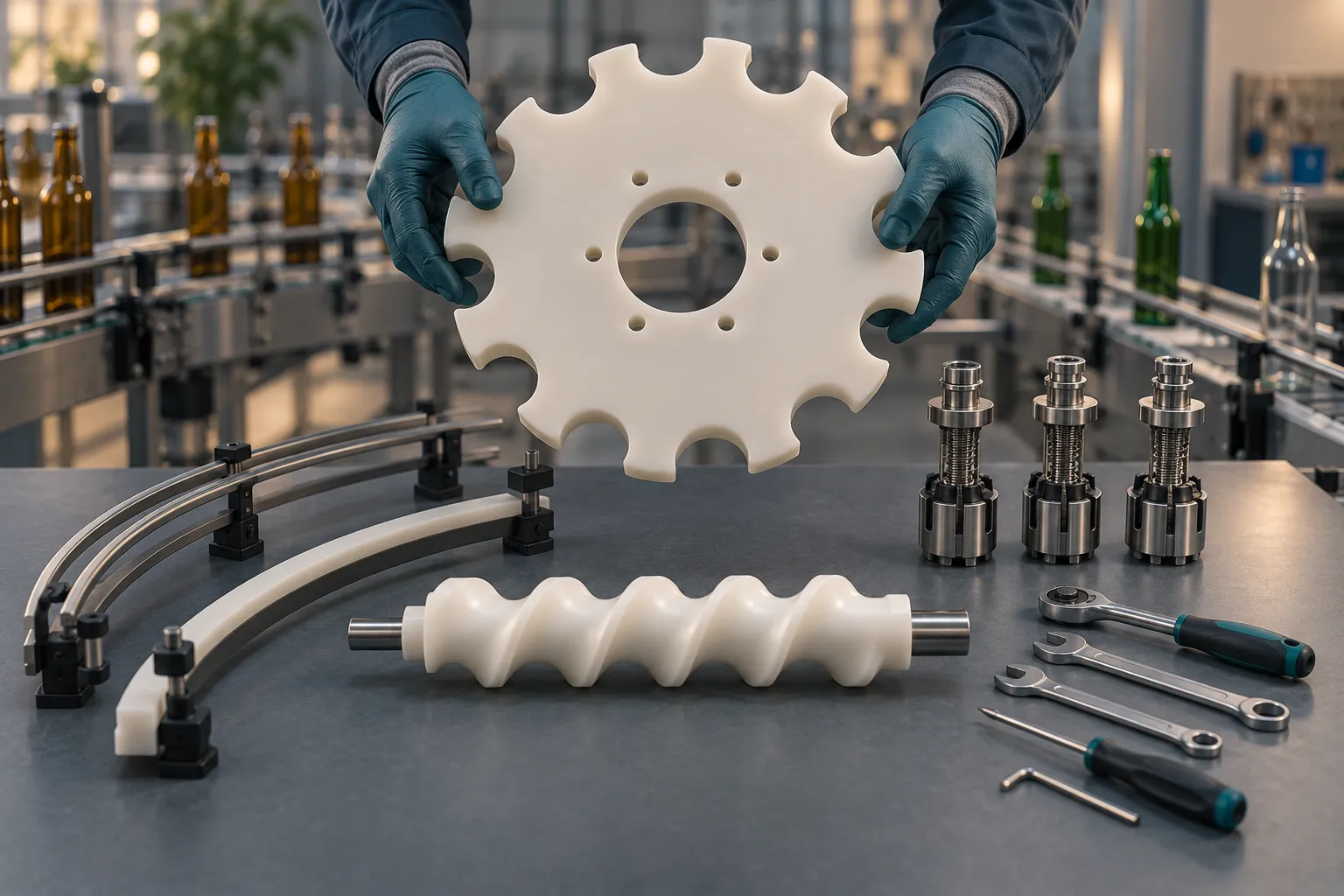
Which change parts a new glass bottle touches, which bottle data to check, and how to run and document a trial before the bottle goes into production.
Read the guideA glass bottling line is a chain: depalletizing and infeed, filling, closing, labeling, inspection, and case packing and palletizing, with rinsing, pasteurizing and coding added where the product calls for them. Each machine can look adequate on its own data sheet and still perform poorly in the chain. The planning guide says plans usually go wrong at the interfaces: the bottle must be presented the same way to every machine, buffers must exist, and machines must be able to exchange stop and start signals. The guides below take the stations one at a time, but read them as one sequence.
The planning guide asks you to decide which machine will set the pace of the line. In many plants this is the filler, though it describes that as a design choice rather than a rule. Machines before and after the pacing machine should be able to run at least as fast, so it is rarely starved or blocked. The guide also warns that rated speed on a different container does not carry over, so each supplier’s figure needs a stated basis for your bottle, closure and product.
Buffers are part of the design, not an add-on. The planning guide, drawing on a conveyor maker and an automation integrator, notes that accumulation lets one machine stop briefly without stopping its neighbors, and that too much accumulation can make glass compress, scuff or lose orientation. It lists these locations to discuss:
The same bottle drawing, closure drawing and label panel feed every station. The table summarizes what each machine guide asks for, so the data can be collected once and shared with every supplier.
| Station | Container data it depends on | Guide |
|---|---|---|
| Infeed | Pallet configuration (bulk with tier sheets or cased), bottle height and diameter, handling of bottles that taper or should not touch | Depalletizers and infeed systems |
| Filling | Finish designation, fill point, brimful capacity and tolerance, closure type | Glass bottle filling machines |
| Closing | Finish and closure drawings, liner, torque or head setting, vacuum needs | Capping equipment |
| Labeling | Label panel geometry, surface coating, bottle temperature and surface moisture | Bottle labeling methods |
| Inspection | Bottle color, embossing and decoration, defined position of closure, label and code | Bottle inspection systems |
| Packing | Bottle weight when filled, closure height, label position, case and pallet drawings | Case packing and palletizing |
The container itself comes first. The bottle specification checklist lists what a usable drawing contains, and neck finishes and closure compatibility explains why a finish designation, not a diameter, links the filler and the capper.
Some choices affect machines other than the one they are made for. The closure affects headspace and therefore the fill height the filler is set to. The labeling method depends on the bottle temperature that the filler and any cooling section produce. The label panel shapes what the inspection camera can verify and what the case packer’s partitions touch. Even the lightness of the glass can change how bottles behave at infeed, a point taken up in the guide on lightweight wine bottles. When you collect quotes, ask each supplier which assumptions in the proposal rest on another station’s equipment, and write the answers down.
A new bottle affects more of the line than its volume suggests. The changeover guide lists the infeed screw, starwheels, guide rails, centering bells, capping chucks, labeler platforms and case packer grids, plus inspection recipes and sensor positions. It advises checking the drawing against each item on paper first, running a documented trial with several samples, and keeping a changeover record for each format. Keep untested future formats as open scope, not presented as validated. If a bottle is not yet chosen, the stock vs. custom guide covers sampling and line trials before ordering.
| If your question is | Start with |
|---|---|
| Which station paces the line, and where do buffers go? | Planning a glass bottling line |
| How should empty glass arrive and be unpacked? | Depalletizers and infeed systems |
| Which filling principle suits my product? | Glass bottle filling machines |
| How is my closure applied and checked? | Capping equipment |
| Which label system fits my bottle and conditions? | Bottle labeling methods |
| What does each inspector check, and what can it miss? | Bottle inspection systems |
| How do I protect glass in the case and on the pallet? | Case packing and palletizing |
| What must be checked before a new bottle runs? | Bottling-line changeovers |
Product-specific questions are answered in the Applications section, for example wine bottling equipment and beer bottling equipment. Once you understand the stations and have collected the data, the bottling equipment RFQ checklist turns it into a request that suppliers can answer on the same basis.