
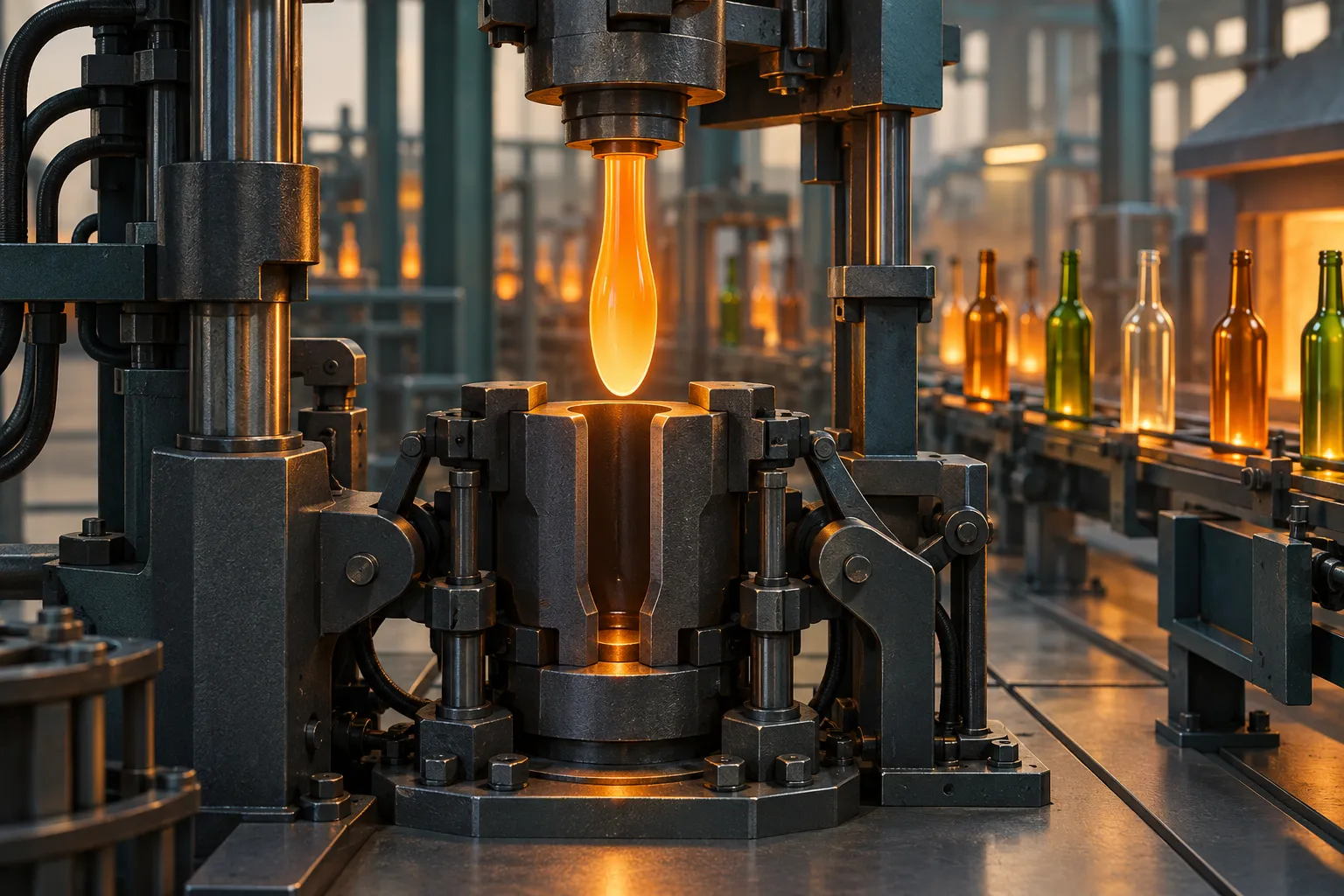
How Glass Bottles Are Made: From Batch Materials to Inspection
A plain-language walk through glass bottle manufacturing: batch, furnace, forehearth, gob feeding, IS machine forming, coatings, annealing and inspection.
Read the guideKnowing how glass containers are made helps you read a specification and judge supplier claims. These guides describe the forming process from batch materials to inspection. They also explain what to ask when a supplier talks about lighter bottles or recycled content.
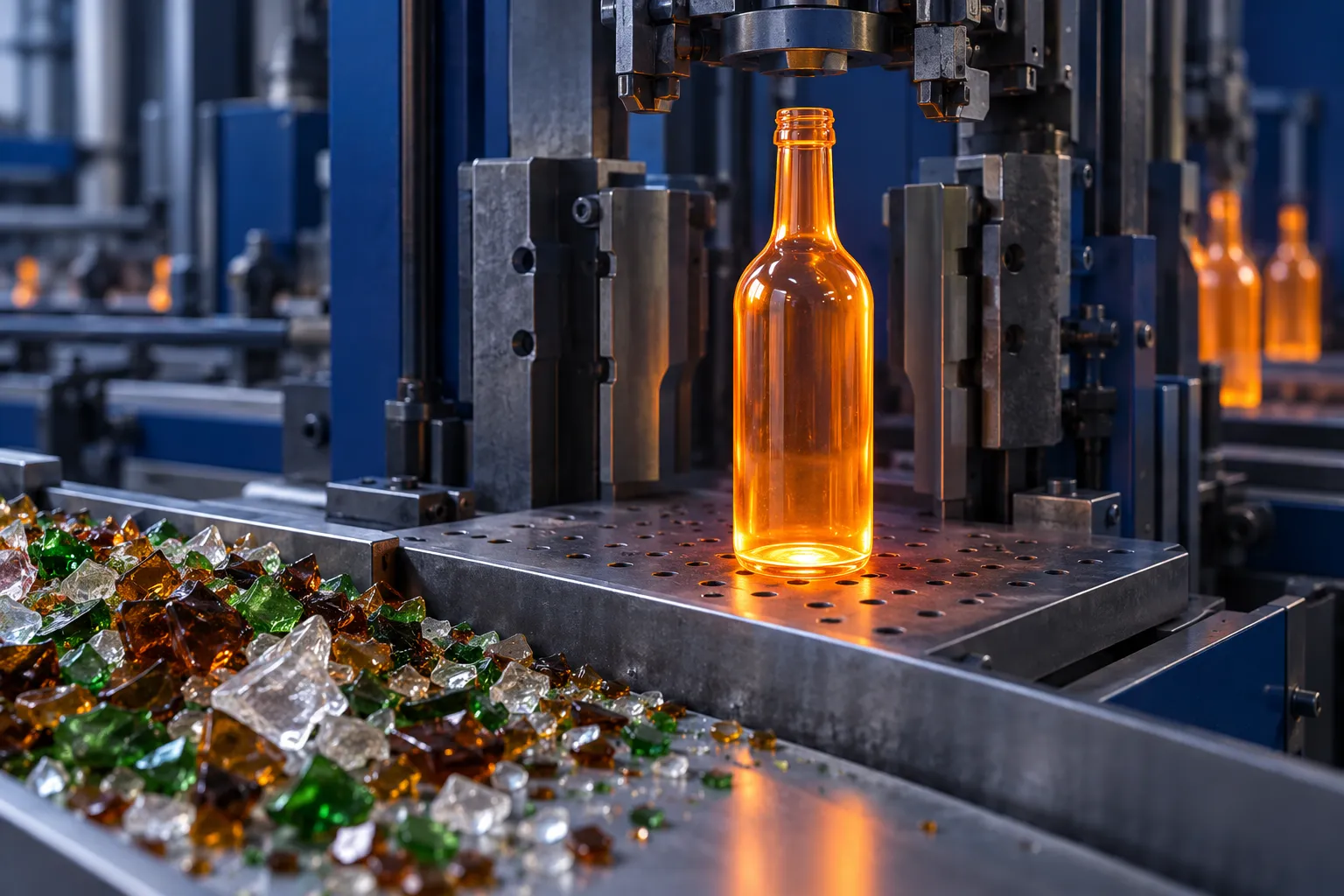
A plain-language walk through glass bottle manufacturing: batch, furnace, forehearth, gob feeding, IS machine forming, coatings, annealing and inspection.
Read the guideWhat happens between raw materials and a finished bottle?
A plain-language walk through glass bottle manufacturing: batch, furnace, forehearth, gob feeding, IS machine forming, coatings, annealing and inspection.
Read the guideWhat should you verify before accepting a lightweight or recycled-content claim?

Beyond the gram count: glass distribution, strength test evidence, finish fit, line trials and how to read weight and carbon claims on light wine bottles.
Read the guide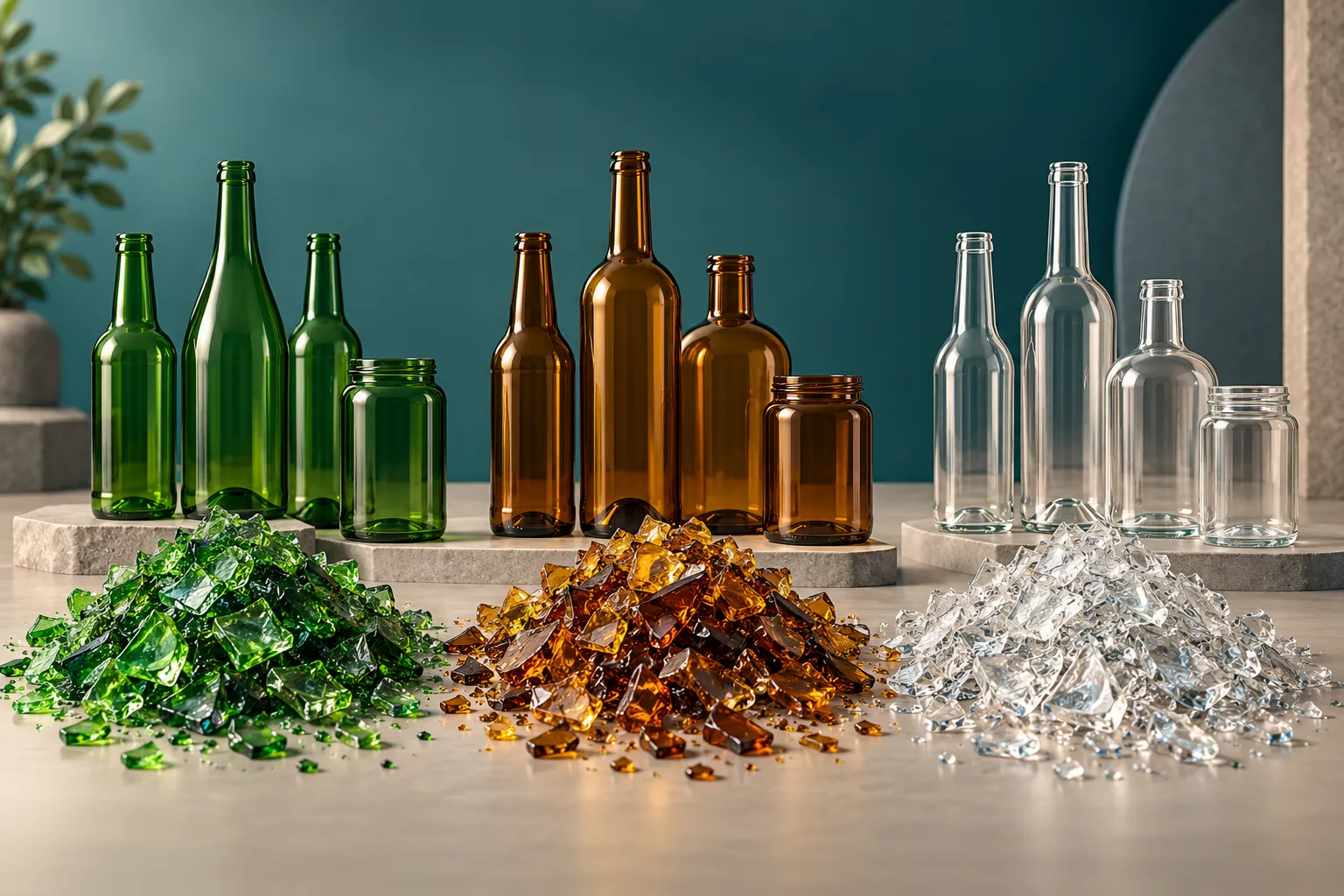
How to read a recycled glass content claim: cullet types, plant averages vs product figures, reporting period, colour limits and verification to request.
Read the guideBuyers rarely watch glass container manufacturing, but factory terms turn up in quotes and specifications all the time: gob weight, parison, hot-end coating, cullet, wall thickness. If you know what each term refers to, you can judge whether a supplier’s statement about weight, strength or recycled content answers your question. This overview gives the short version of the process, then shows where it connects to the claims buyers most often have to evaluate.
According to the guide on how glass bottles are made, batch materials are melted in a furnace, the molten glass is conditioned and cut into gobs, an individual section (IS) machine forms each gob into a bottle in two stages, the bottles are coated and slowly cooled in a lehr, and the cold end inspects and packs them. Industry sources divide a plant into three zones: the batch house, the hot end (melting, forming, annealing) and the cold end (inspection and packing). Details vary by factory, and the guide does not describe any specific plant.
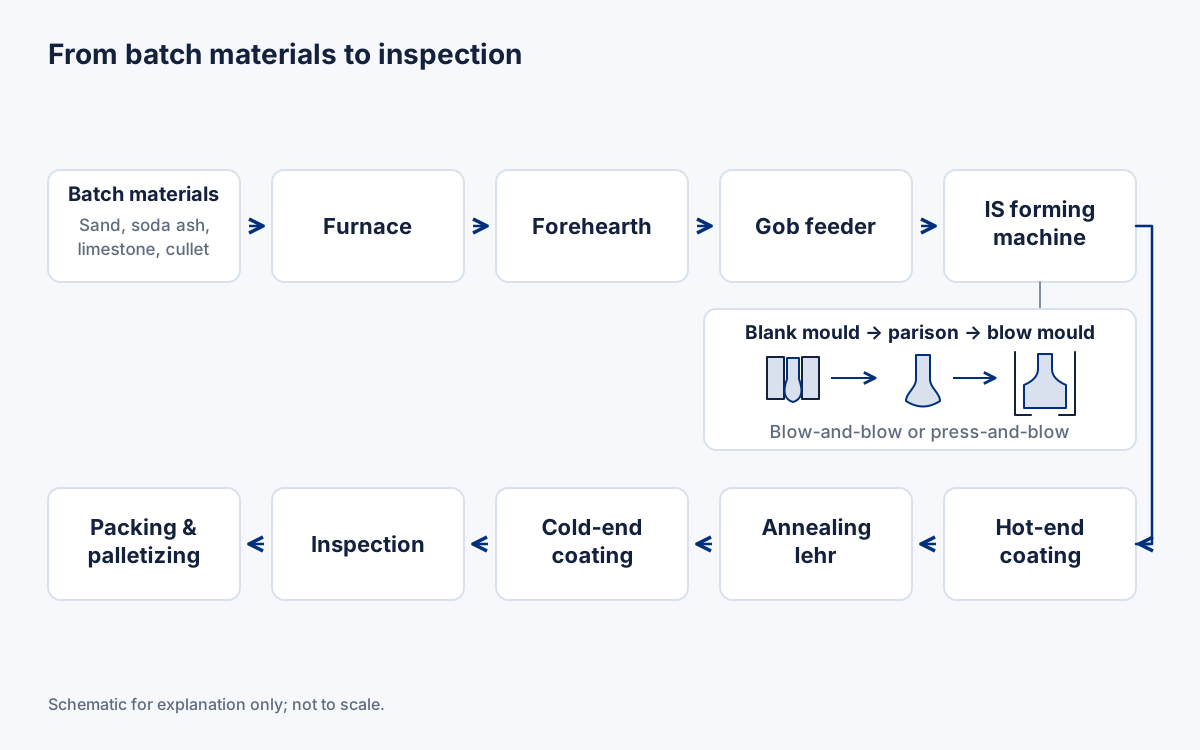
| Term | Plain meaning |
|---|---|
| Batch | The mixture of raw materials fed to the furnace |
| Cullet | Crushed recycled glass added to the batch |
| Gob | Measured lump of glass sheared off for one container |
| Parison | Partly formed container, inverted before the final blow |
| Lehr | Annealing oven that relieves stress by controlled cooling |
| Check and stone | A small crack, and a foreign particle in the glass |
The guide ends by tying the process to purchasing: weight and glass distribution relate to gob weight and the forming method, color relates to the batch, finish dimensions relate to the neck ring and mold, and surface behavior on your line relates to the coatings. That is a useful way to read a quote. If a line on the quote concerns weight, think gob and forming. If it concerns color, think batch and cullet. If it concerns scuffing on your conveyors, ask about the cold-end coating, and mention any change in label adhesive, closure or conveyor to the glass supplier.
The guide also notes that whether a given bottle is made by blow-and-blow or press-and-blow is a manufacturing decision, so ask the supplier rather than assume.
Lighter bottles. The guide on lightweight wine bottles starts from a report to the Sustainable Wine Roundtable that quotes WRAP saying good glass distribution and few surface defects matter more to strength than weight. The useful question is not “how many grams?” but what evidence shows the bottle is engineered, tested and compatible with your line at that weight. The guide lists what to request: drawings with wall thickness at stated heights, strength test evidence with method and sample size, finish and closure confirmation, a line trial with breakage monitoring, and the basis for any carbon figure.
Recycled content. As the guide on recycled glass content explains, a figure means little unless you know what was counted, where, over what period and for which product. It breaks a claim into six questions: which plant or furnace, which period, post-consumer or pre-consumer cullet, average or this product, color limits, and who verified it. It also separates recycled content from the recycling rate, which is a collection statistic.
A single sustainability statement can combine both. The lightweight guide points out that a combined claim, such as a lighter bottle together with higher cullet levels, cannot be split into a weight effect alone, and it sends readers to the recycled-content guide for that reason. Color adds a constraint: the recycled-content guide describes clear glass as needing very low color contamination in cullet, so a demanding color or clarity specification can limit how much recycled glass is practical.
Manufacturing choices end up in the specification. The bottle specification checklist shows where weight, color and recycled-content requirements fit, and the glass containers section covers finishes, closures and the stock-versus-custom decision. If the new bottle is lighter, the guide on bottling-line changeovers lists what to check when it joins your line, and bottle inspection systems covers the second round of inspection often added once empty bottles reach the filler.