
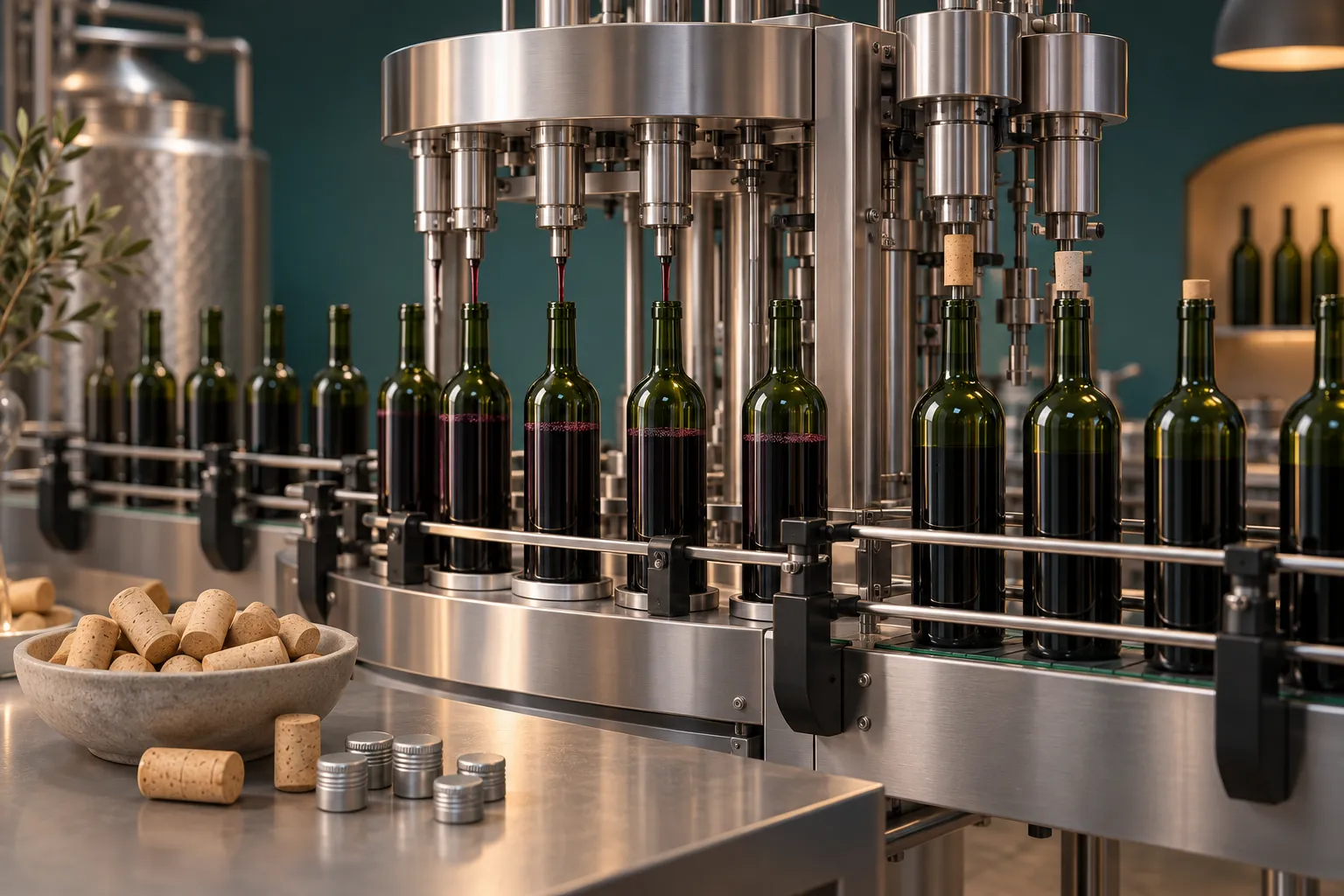
Wine Bottling Equipment: Building a Supplier Brief
How a winery can turn wine style, oxygen targets, bottle, closure, capsule and label choices into a brief that equipment suppliers or mobile bottlers can quote.
Read the guideEach product places different demands on the bottle and the line. These guides apply the general equipment guides to wine, beer and sauces or dressings. Use them to prepare a supplier brief that reflects your product rather than a generic machine list.
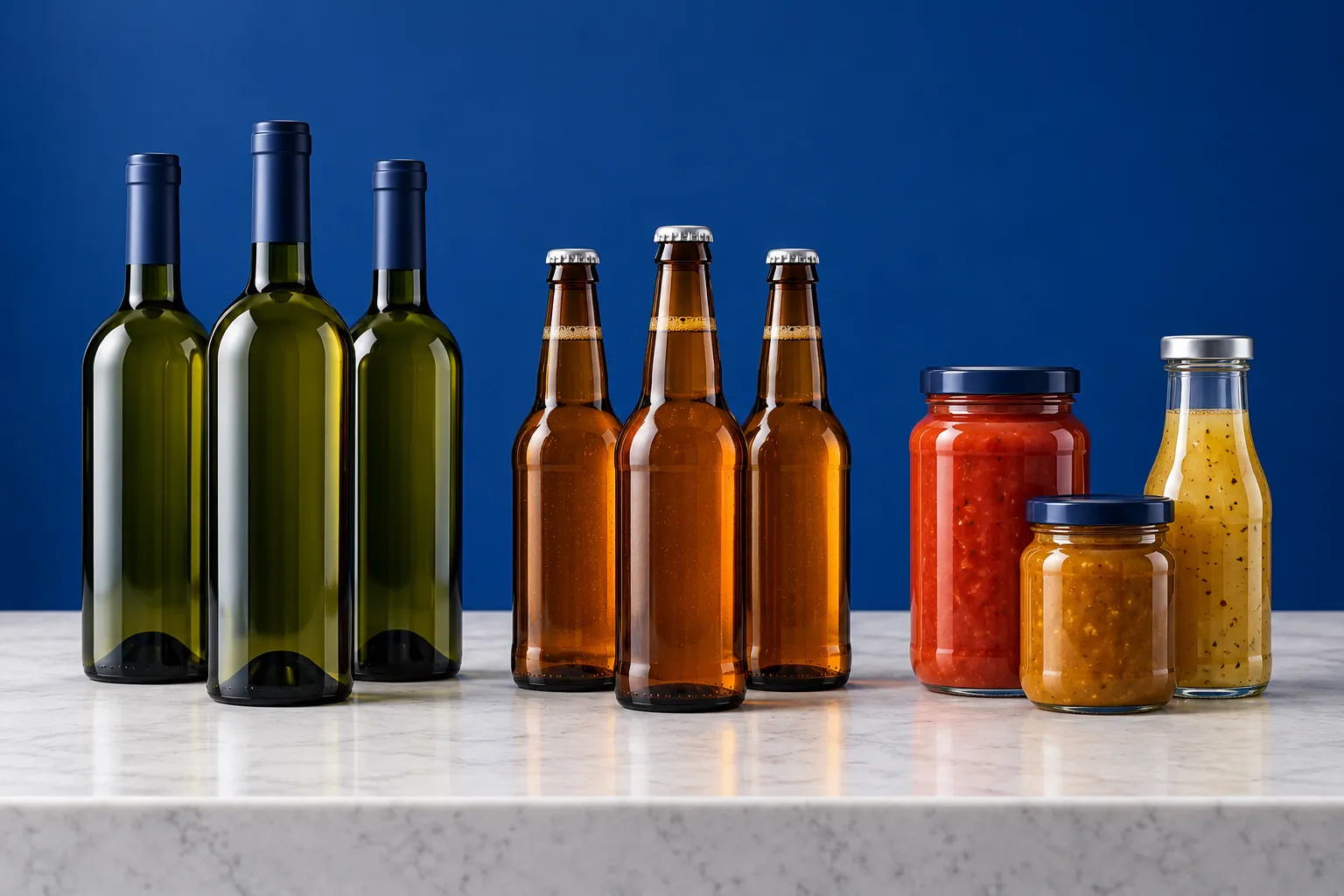
How a winery can turn wine style, oxygen targets, bottle, closure, capsule and label choices into a brief that equipment suppliers or mobile bottlers can quote.
Read the guideWhat does a wine or beer line need to specify?
How a winery can turn wine style, oxygen targets, bottle, closure, capsule and label choices into a brief that equipment suppliers or mobile bottlers can quote.
Read the guide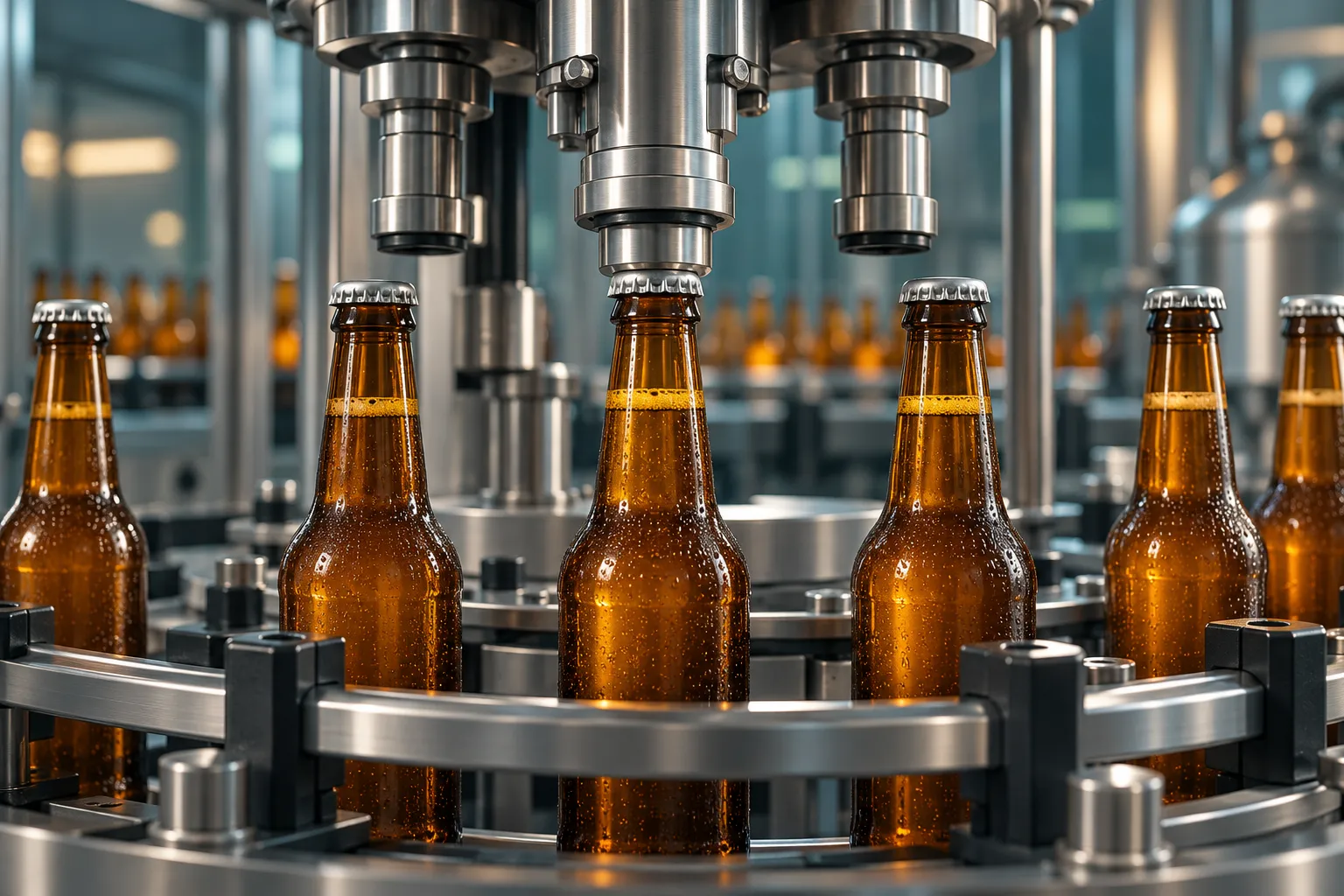
Questions for bottling-line suppliers on oxygen pickup, counter-pressure filling, foaming, crowning, pasteurization, and fill-level and crown inspection.
Read the guideHow do sauces and dressings change the filler and closure choice?
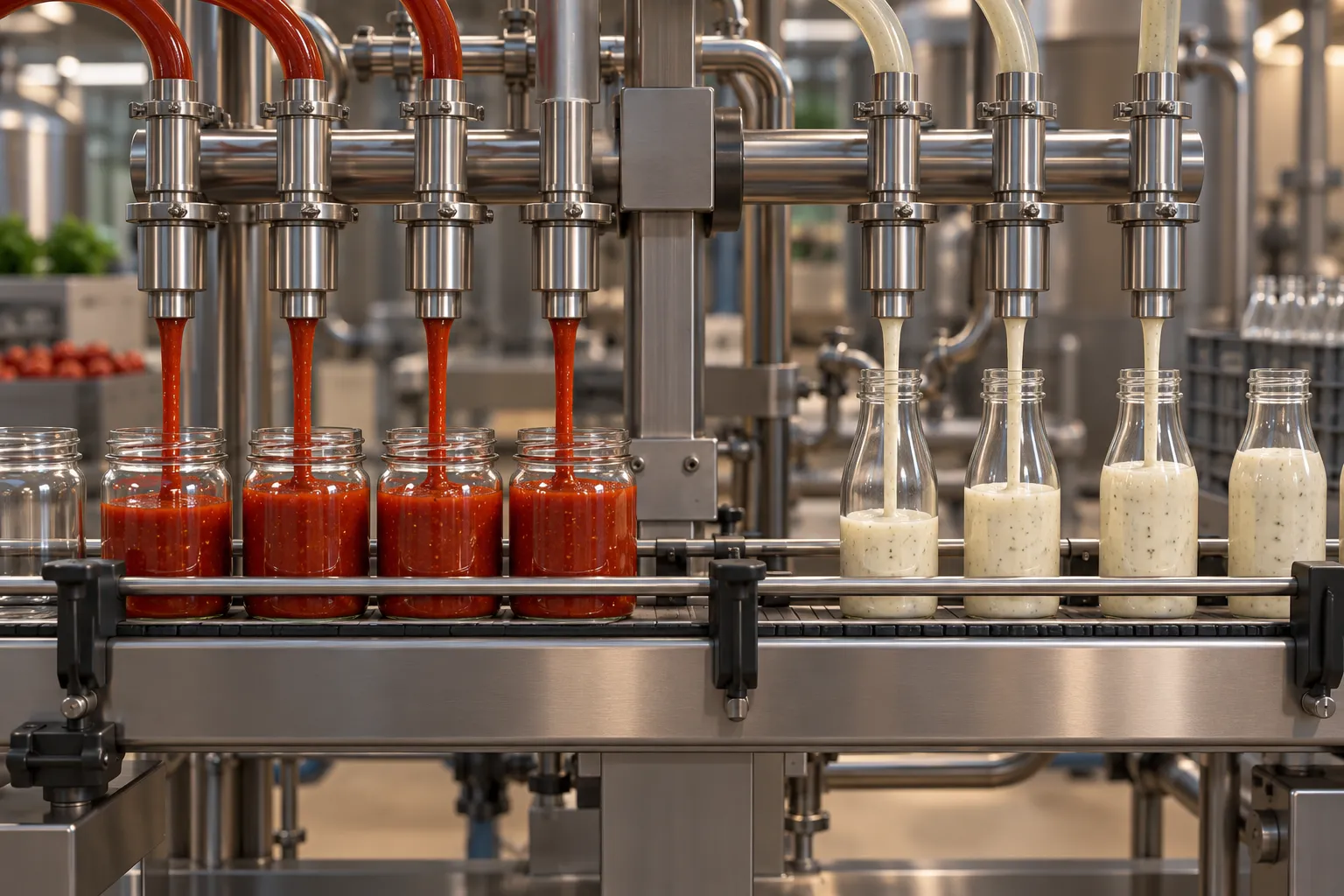
Write product properties, container choice and equipment needs as one specification for sauce lines, from viscosity and acidity to hot-fill and vacuum.
Read the guideGeneral equipment guides tell you how fillers, cappers and labelers work. They do not tell you which questions matter for your product. A wine, a beer and a sauce each put different requirements on the bottle and the line, and a supplier brief that ignores those differences produces proposals that cannot be compared. This overview explains what differs in each application, which requirements come first, and where to find the detail.
Each application guide opens with the same idea: the product decides which equipment is a candidate at all. Pressure, oxygen sensitivity, foam, viscosity, particulates, acidity and fill temperature are all product properties, and each one translates into a container or equipment requirement. The table summarizes the lead concern in each application.
| Product | Lead concern | Guide |
|---|---|---|
| Wine | Still or carbonated, oxygen management, closure and finish | Wine bottling equipment |
| Beer | Oxygen, carbonation and foam at crowning, stabilization | Beer bottling equipment |
| Sauces and dressings | Viscosity, particulates, acidity, fill temperature, vacuum | Sauce and dressing bottling lines |
The wine guide begins its brief with a description of the product. It cites CETIE, a European bottling-guide body, which treats wine as still when CO2 content is below 1.2 g/L, and notes that sparkling and still lines are not interchangeable. It then covers oxygen management, the bottle and closure interface, capsules and labels, cleaning and sanitation, and the choice between a mobile bottler and an owned line. Closure type matters early: the guide states which finish goes with cork and which with screw caps, and says cork and screwcap lines need different closers.
The beer guide describes bottled beer as oxygen-sensitive, carbonated and foamy, so you judge a line less by how fast it fills than by how little air the finished package contains and how reliably it closes. It separates dissolved oxygen from headspace oxygen and explains the filling sequence step by step: pre-evacuation, CO2 purge, counter-pressure fill, fobbing or jetting, and crowning. It also treats stabilization as a product decision before an equipment one, and notes that foam complicates fill-level and crown inspection.
The sauce guide asks you to treat product, container and equipment as a single table that every supplier receives. Viscosity and particulates decide the filler, acidity and fill temperature decide whether hot fill is possible and what the glass and closure must withstand, and the finish decides what the closure and capper must do. It does not give process parameters, because for shelf-stable acid and acidified sauces the process is set by a qualified process authority.
Once the product-specific inputs are written down, the bottling equipment RFQ checklist shows how to make proposals comparable, and planning a glass bottling line places each station and its interfaces. For the container side of the brief, use the bottle specification checklist, and for equipment details beyond these three products, browse the bottling-line guides.