
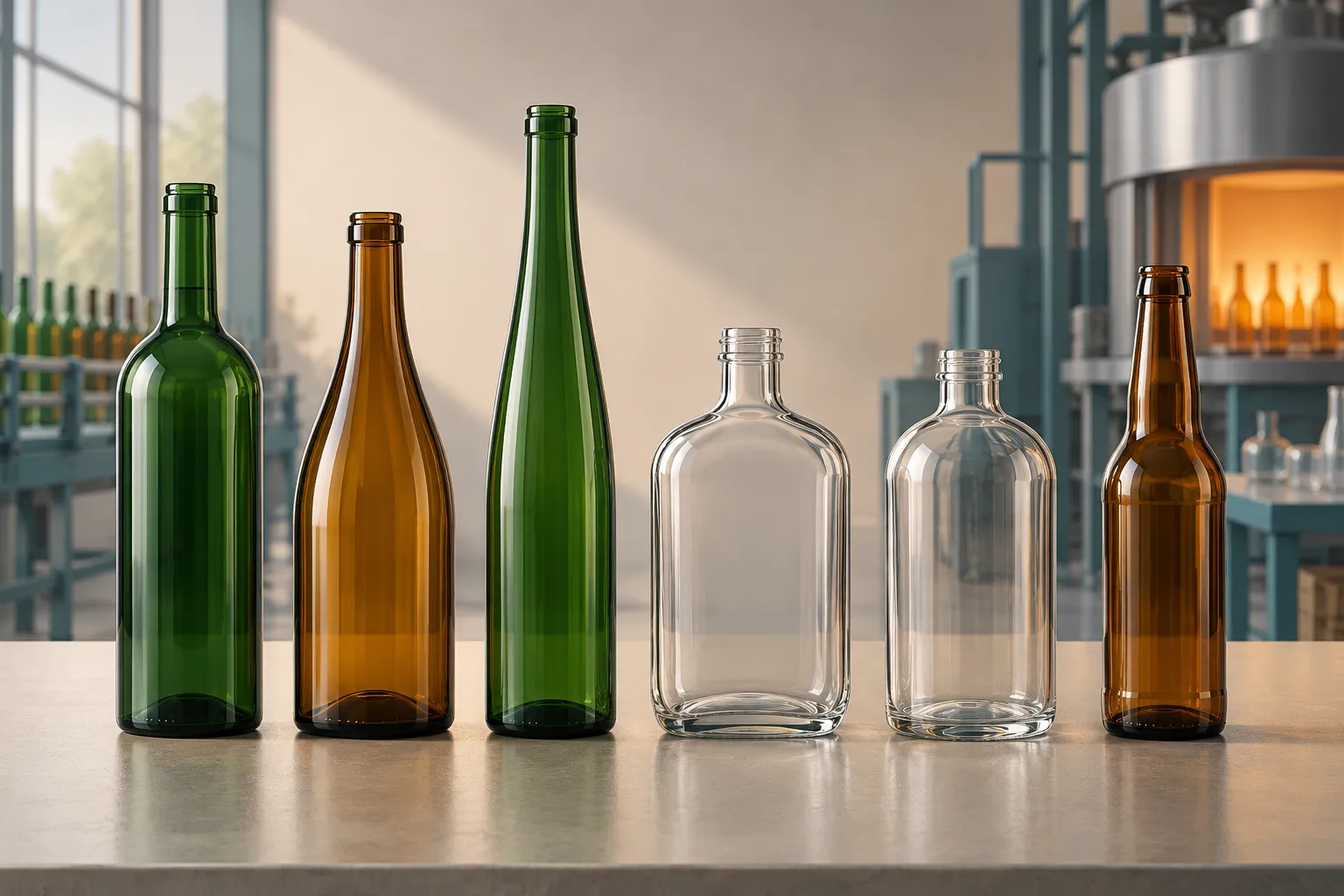
Glass Bottle Types and Sourcing: A Buyer’s Reference
How glass bottle shapes, finishes, colors and capacities are described, how to search for stock and unusual shapes, and what to send suppliers.
Read the guideSG Containers Review publishes practical guides to glass bottles, jars, and the equipment used to fill, close, label, inspect, and pack them.
Our content helps equipment buyers and plant teams understand container specifications, compare machine types, and prepare clearer supplier enquiries. Explore operating principles, selection criteria, line-compatibility questions, and maintenance considerations, from choosing a bottle to planning the packaging line around it.
A DeltaSpark publication.
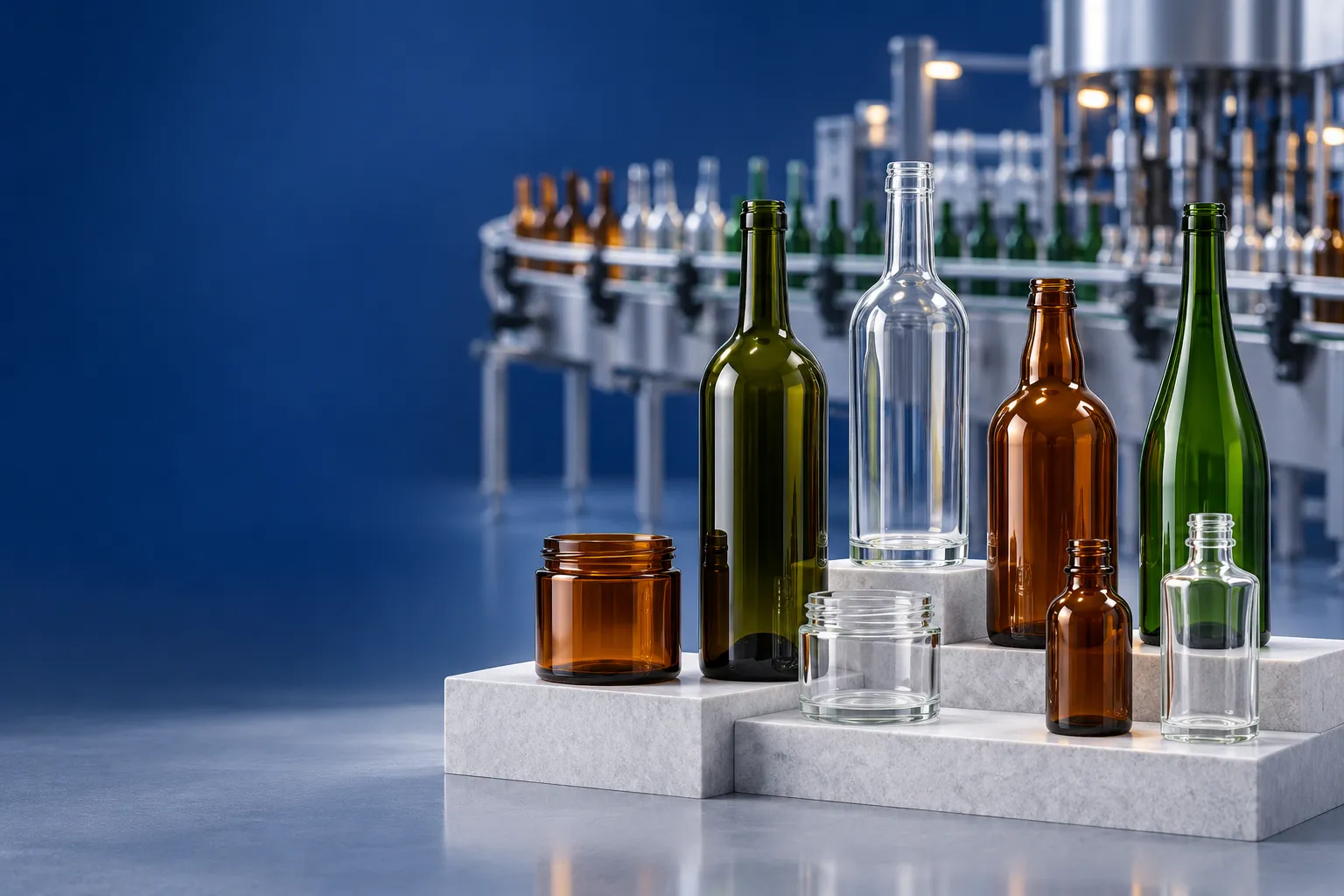
How glass bottle shapes, finishes, colors and capacities are described, how to search for stock and unusual shapes, and what to send suppliers.
Read the guide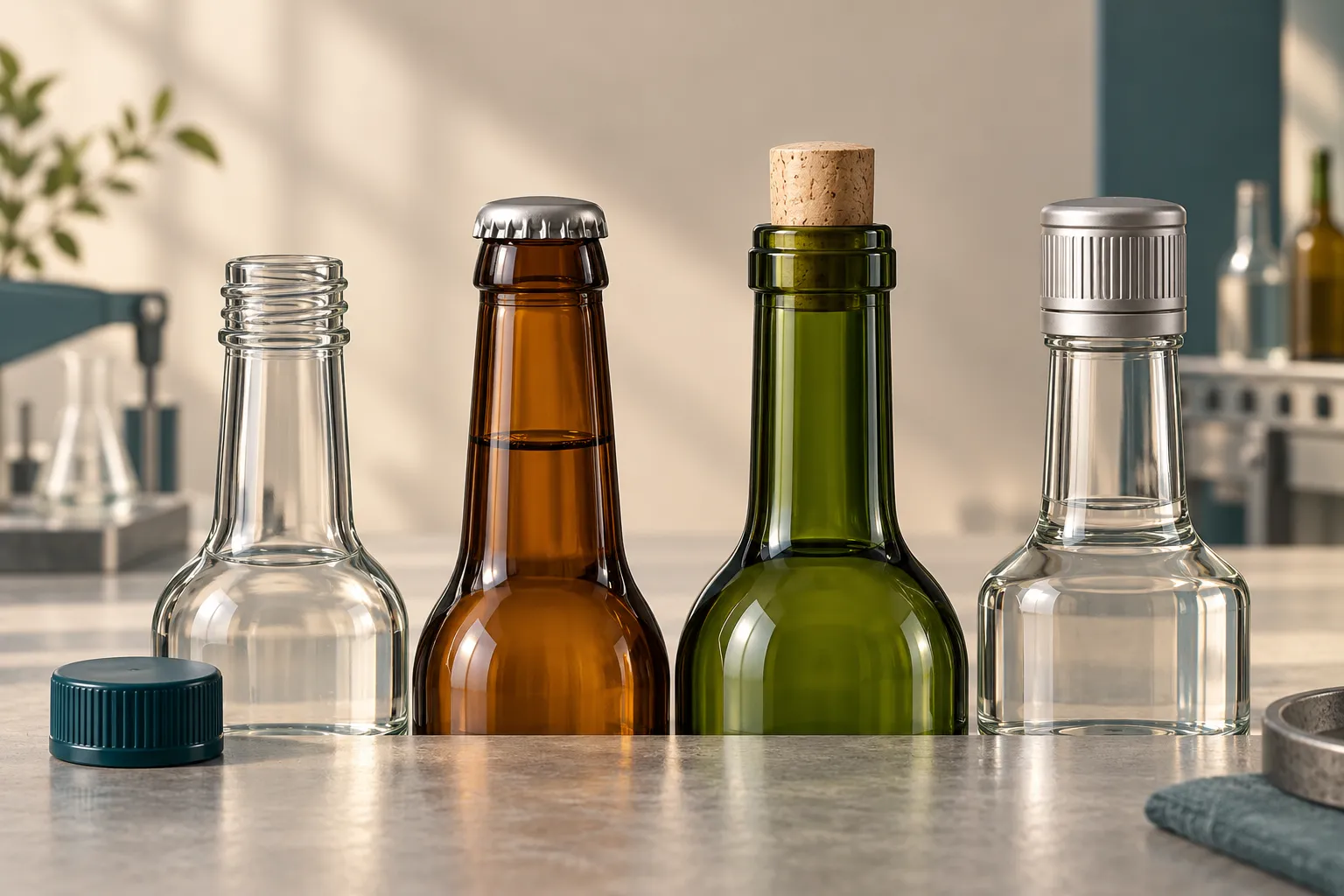
How to read finish designations such as 28-400 and the T, E, I, H and S dimensions, and why a matching nominal diameter does not prove a closure fits.
Read the guide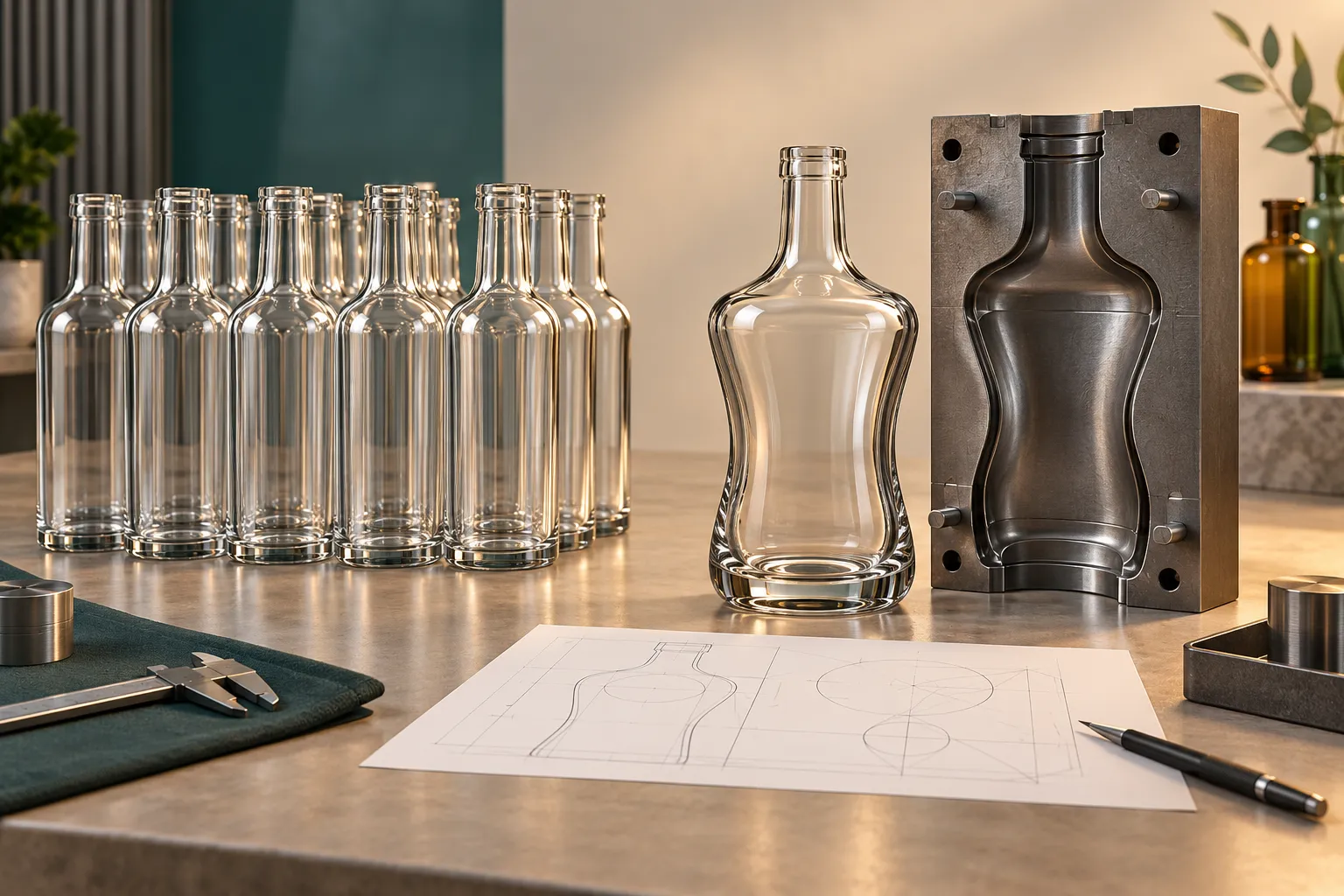
Compare stock and custom glass bottles on tooling ownership, minimum quantities, sampling, documentation, line trials and supply continuity before you order.
Read the guide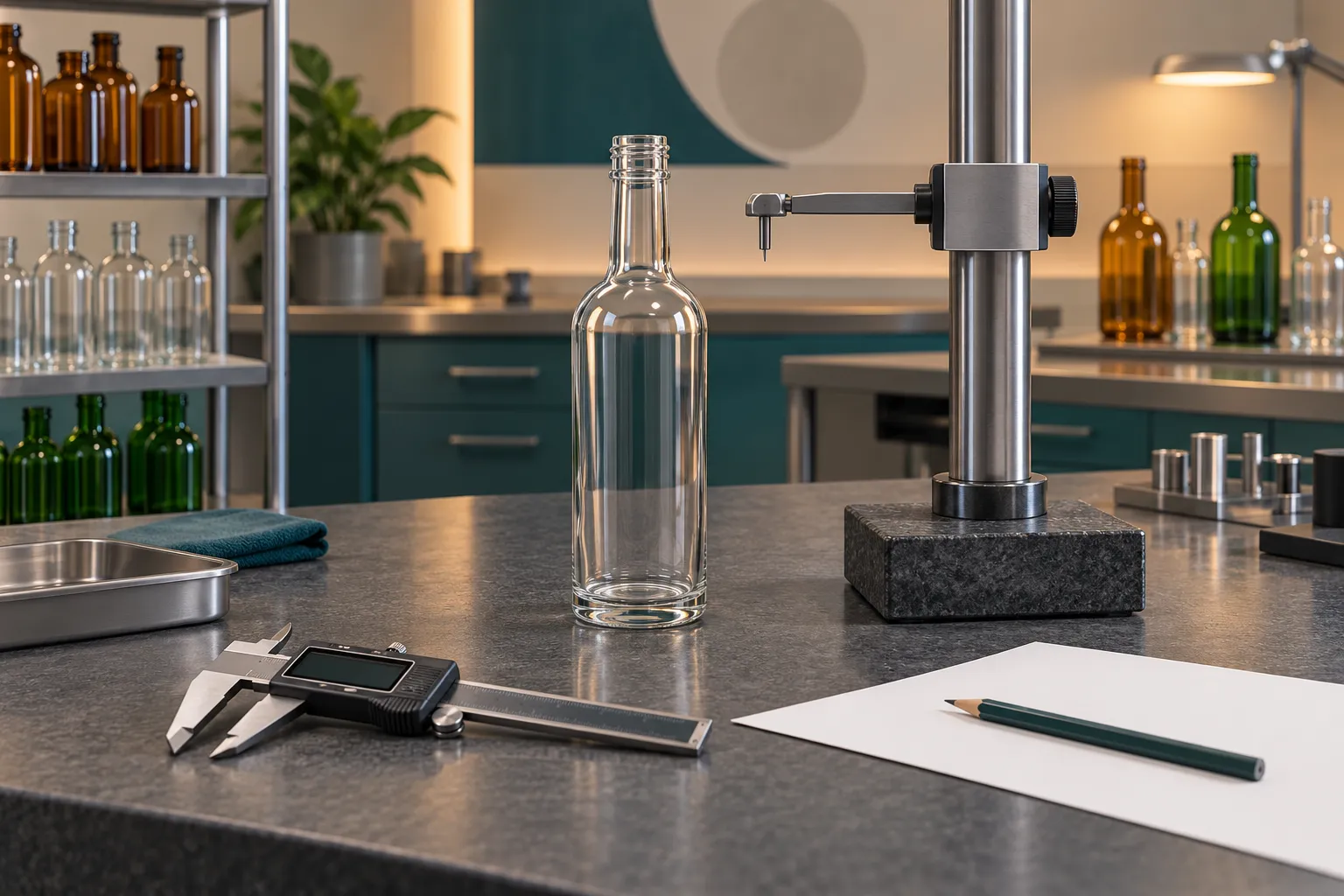
A checklist of what to state in a glass bottle enquiry: drawing dimensions, capacity and fill point, finish, color, strength, decoration, quality and packing.
Read the guide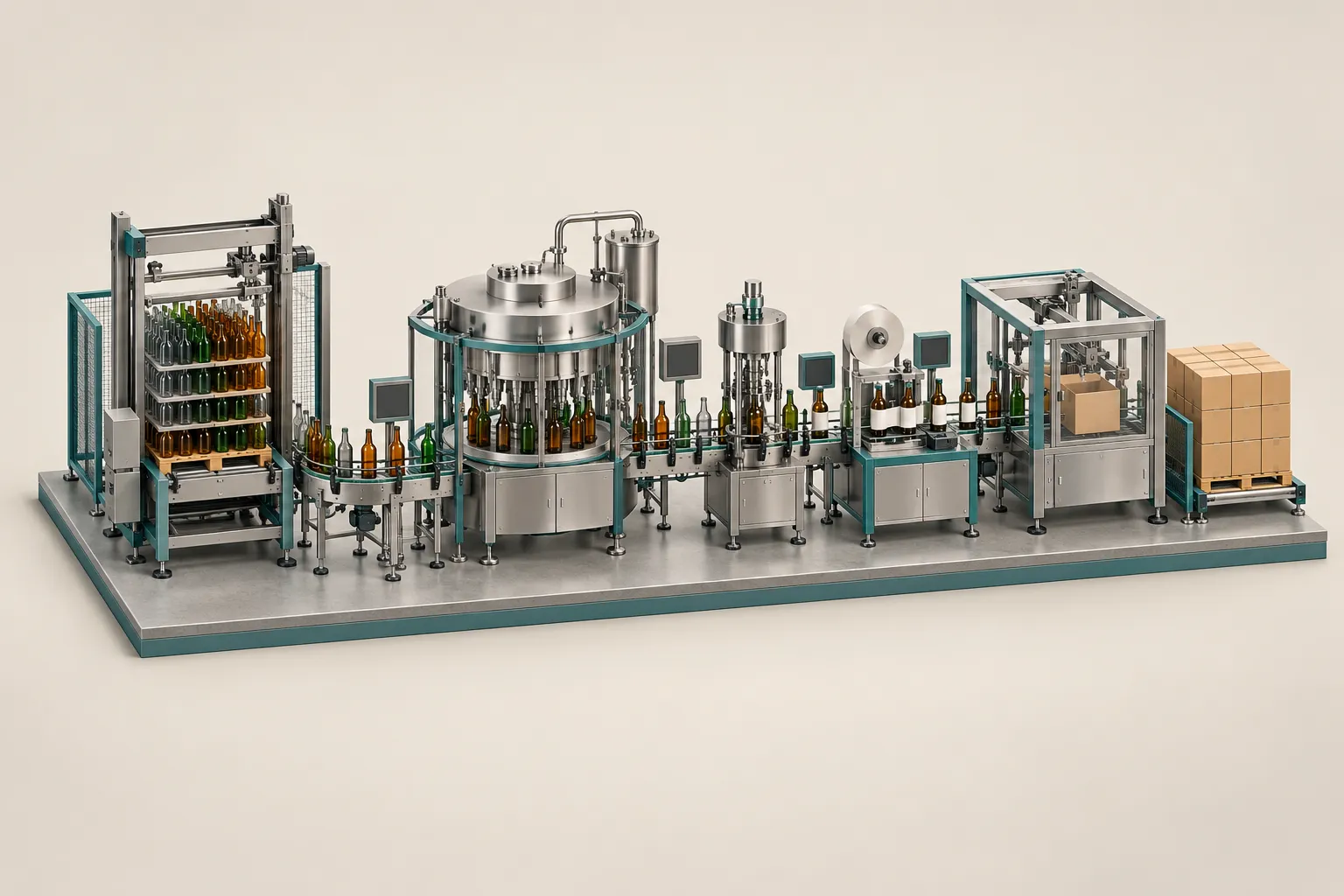
How to divide a glass bottling line into stations, size buffers around the bottleneck machine, and confirm machine interfaces before requesting quotes.
Read the guide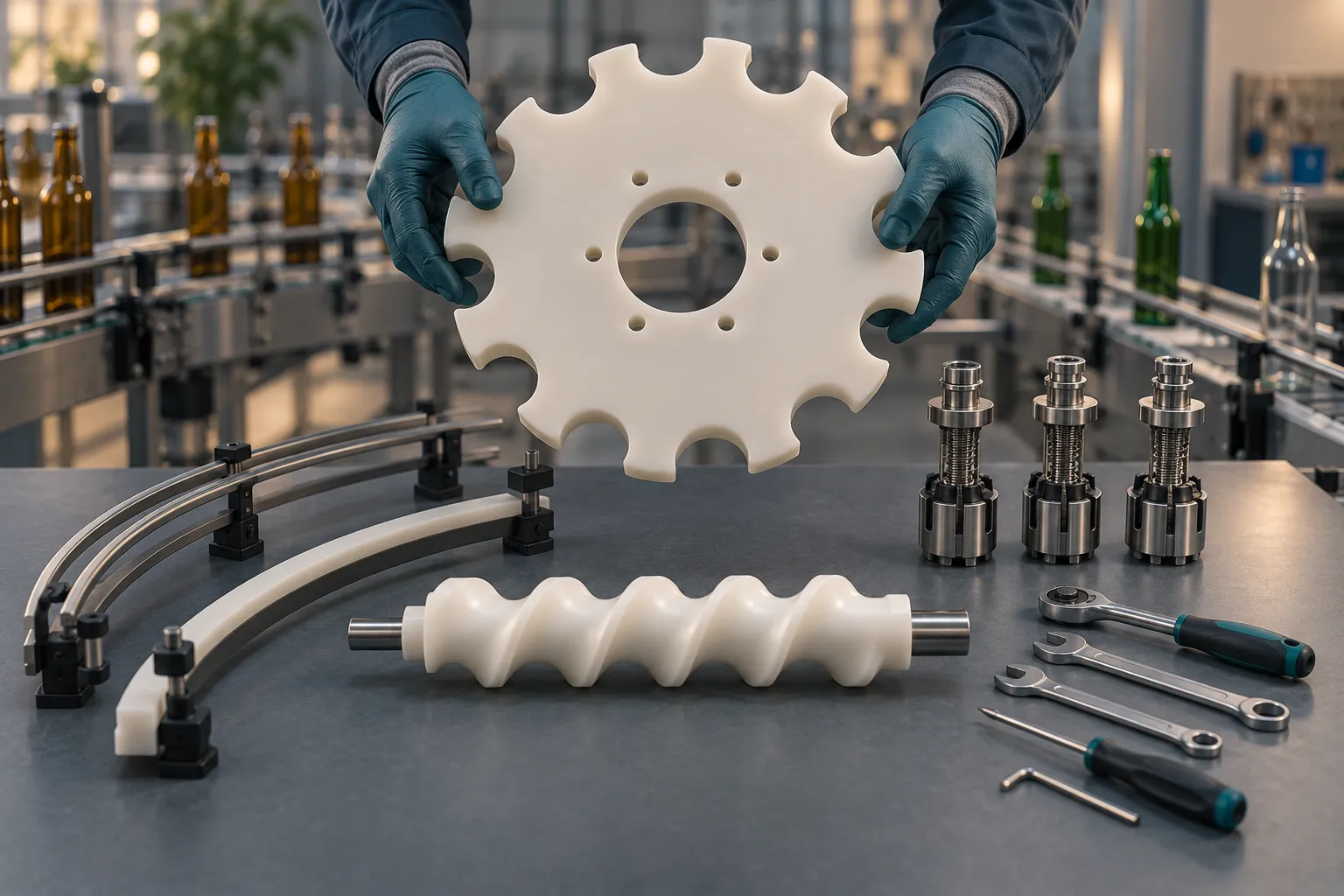
Which change parts a new glass bottle touches, which bottle data to check, and how to run and document a trial before the bottle goes into production.
Read the guide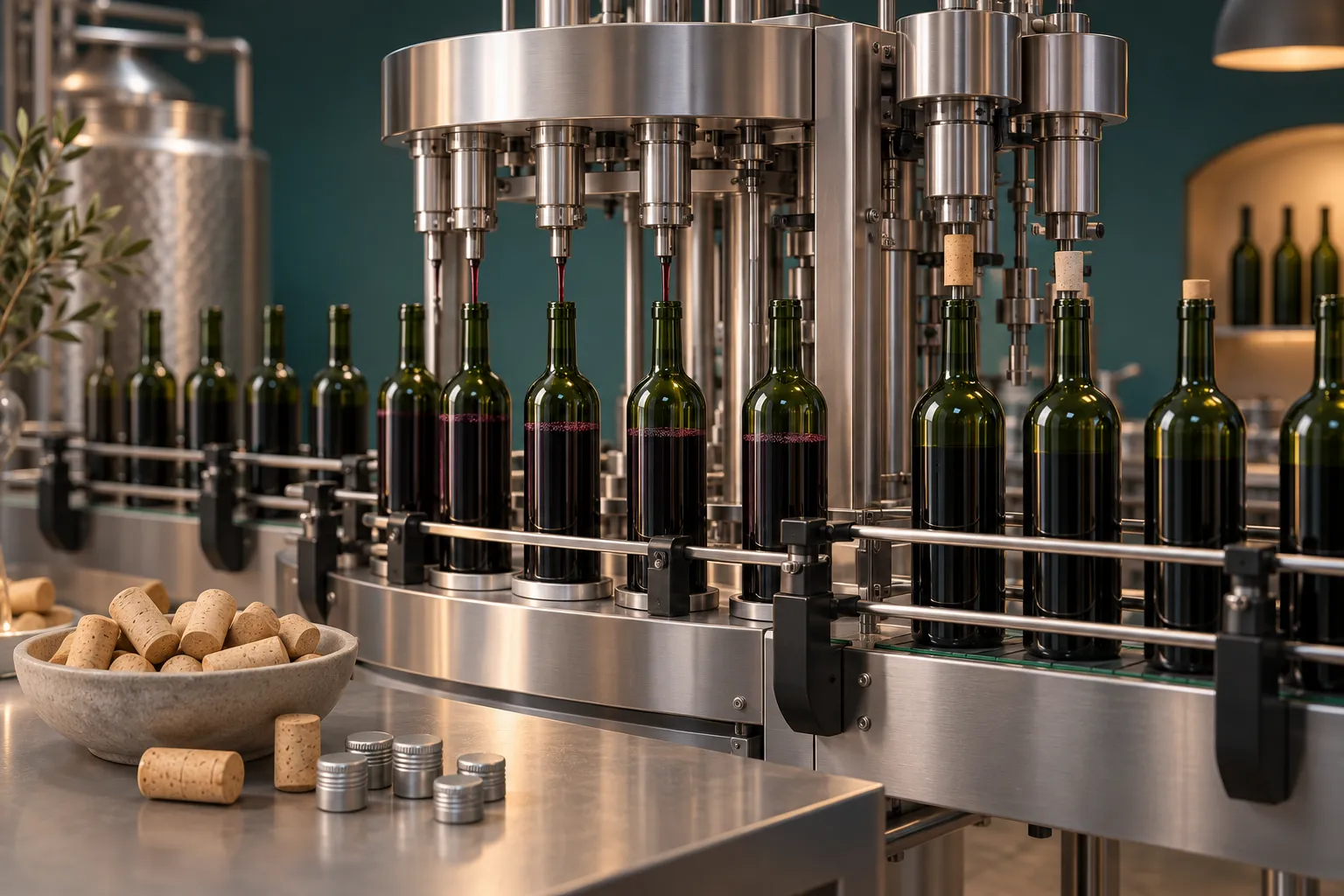
How a winery can turn wine style, oxygen targets, bottle, closure, capsule and label choices into a brief that equipment suppliers or mobile bottlers can quote.
Read the guide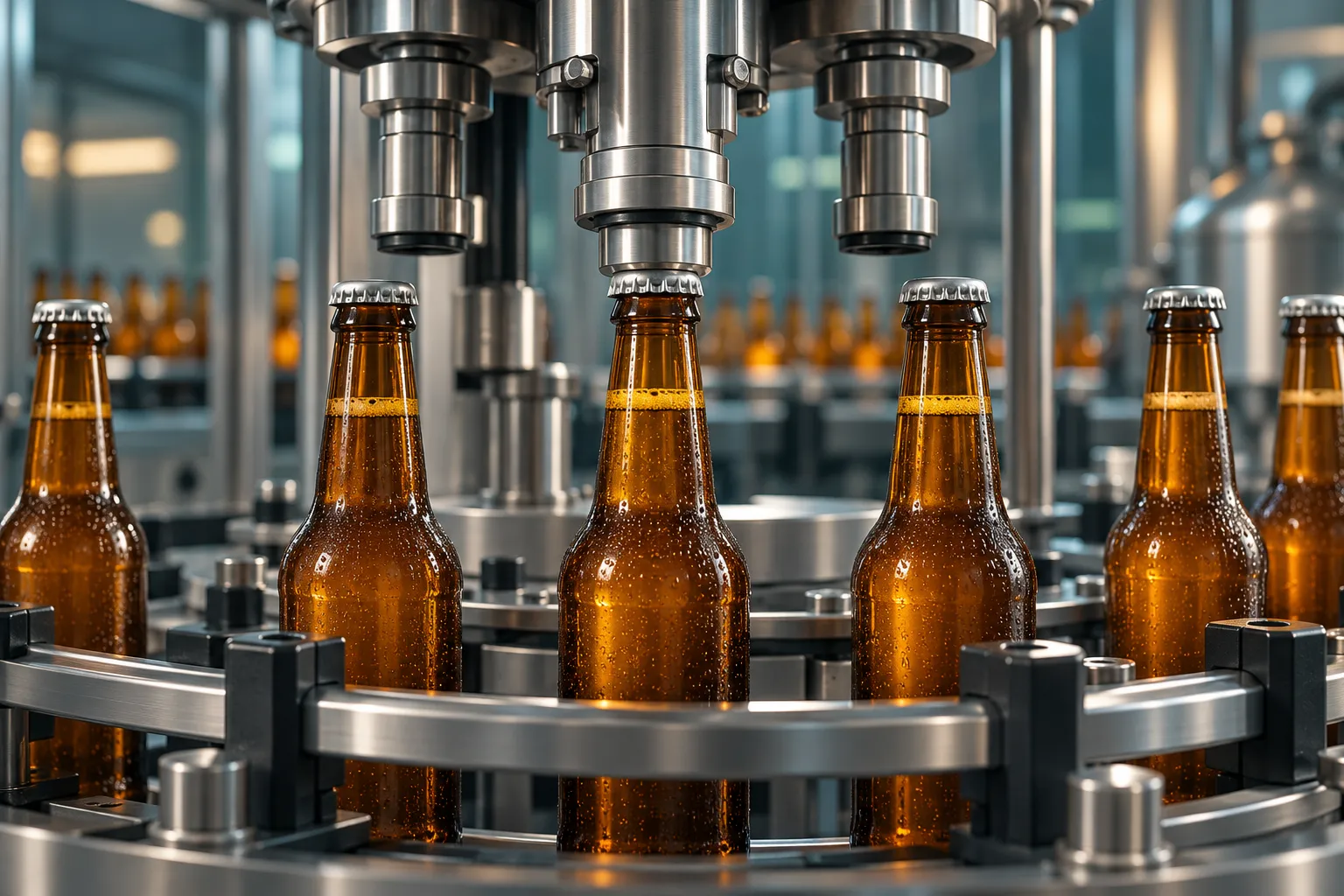
Questions for bottling-line suppliers on oxygen pickup, counter-pressure filling, foaming, crowning, pasteurization, and fill-level and crown inspection.
Read the guide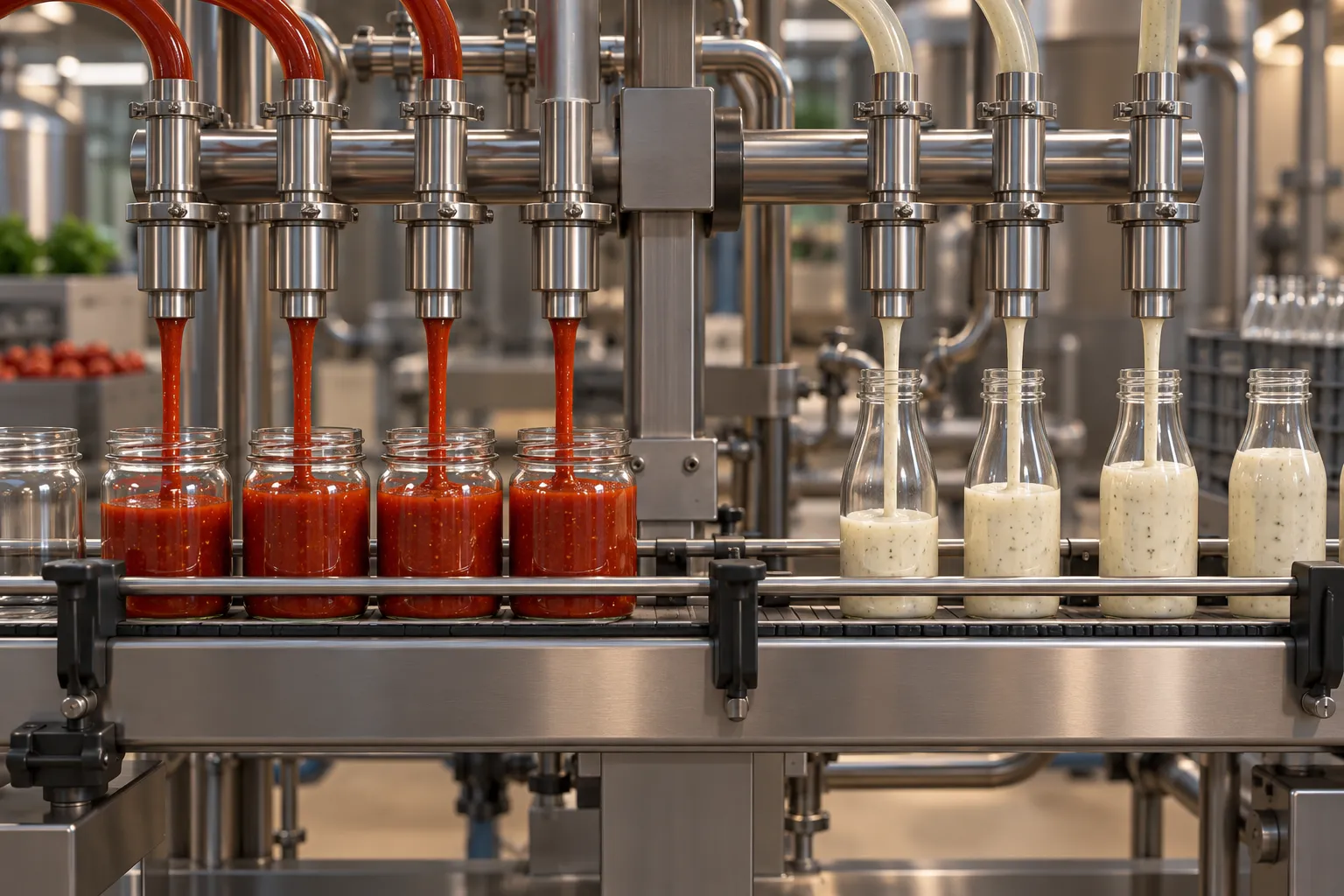
Write product properties, container choice and equipment needs as one specification for sauce lines, from viscosity and acidity to hot-fill and vacuum.
Read the guide
How to write a bottling equipment RFQ so suppliers quote the same inputs, scope and performance basis, with a matrix for FAT, SAT, spares and warranty.
Read the guide A checklist of what to state in a glass bottle enquiry: drawing dimensions, capacity and fill point, finish, color, strength, decoration, quality and packing.
Read the guide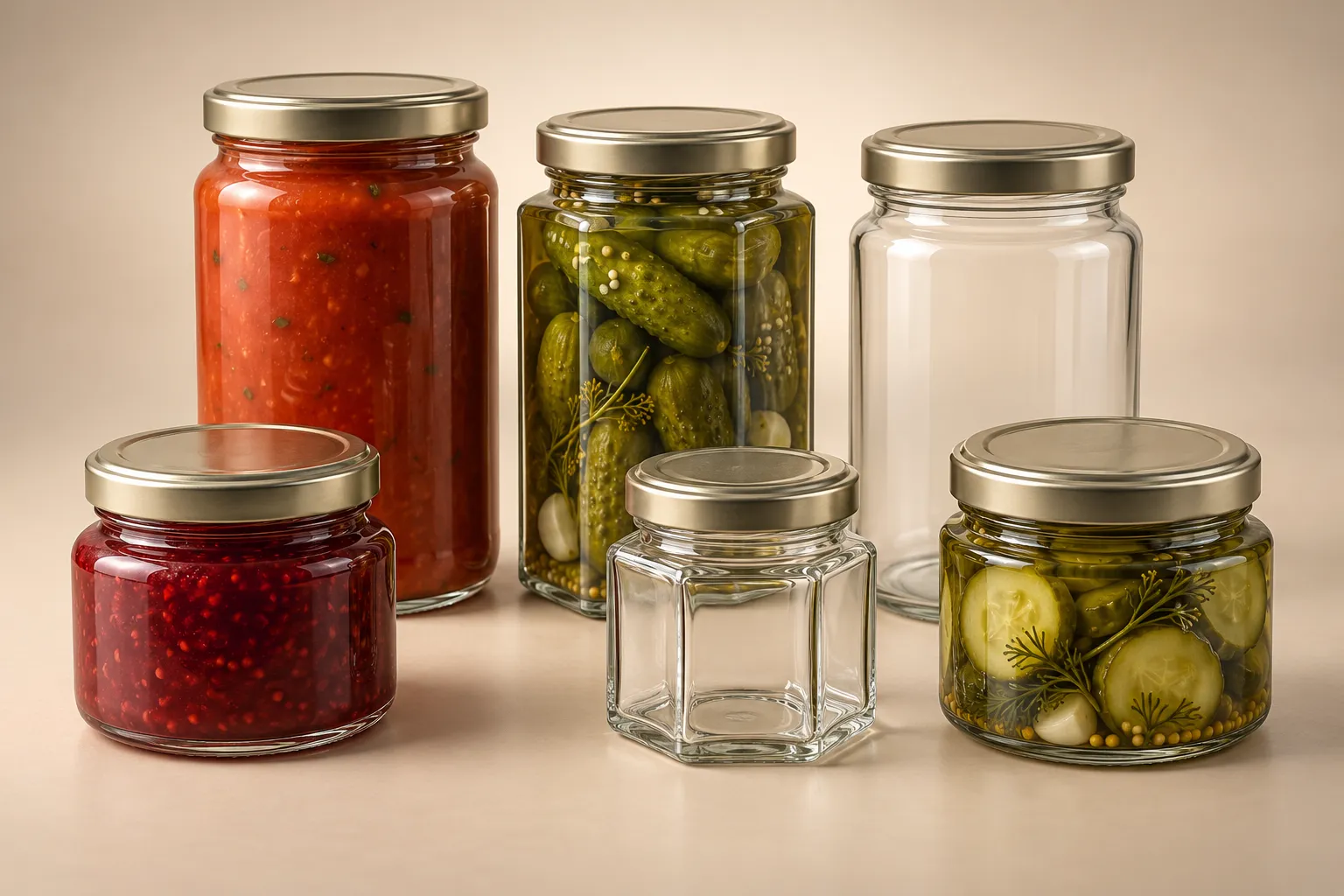
How to choose a food jar by treating the body, the finish and the closure as one package, with notes on lug, CT and PT caps, vacuum sealing and hot fill.
Read the guide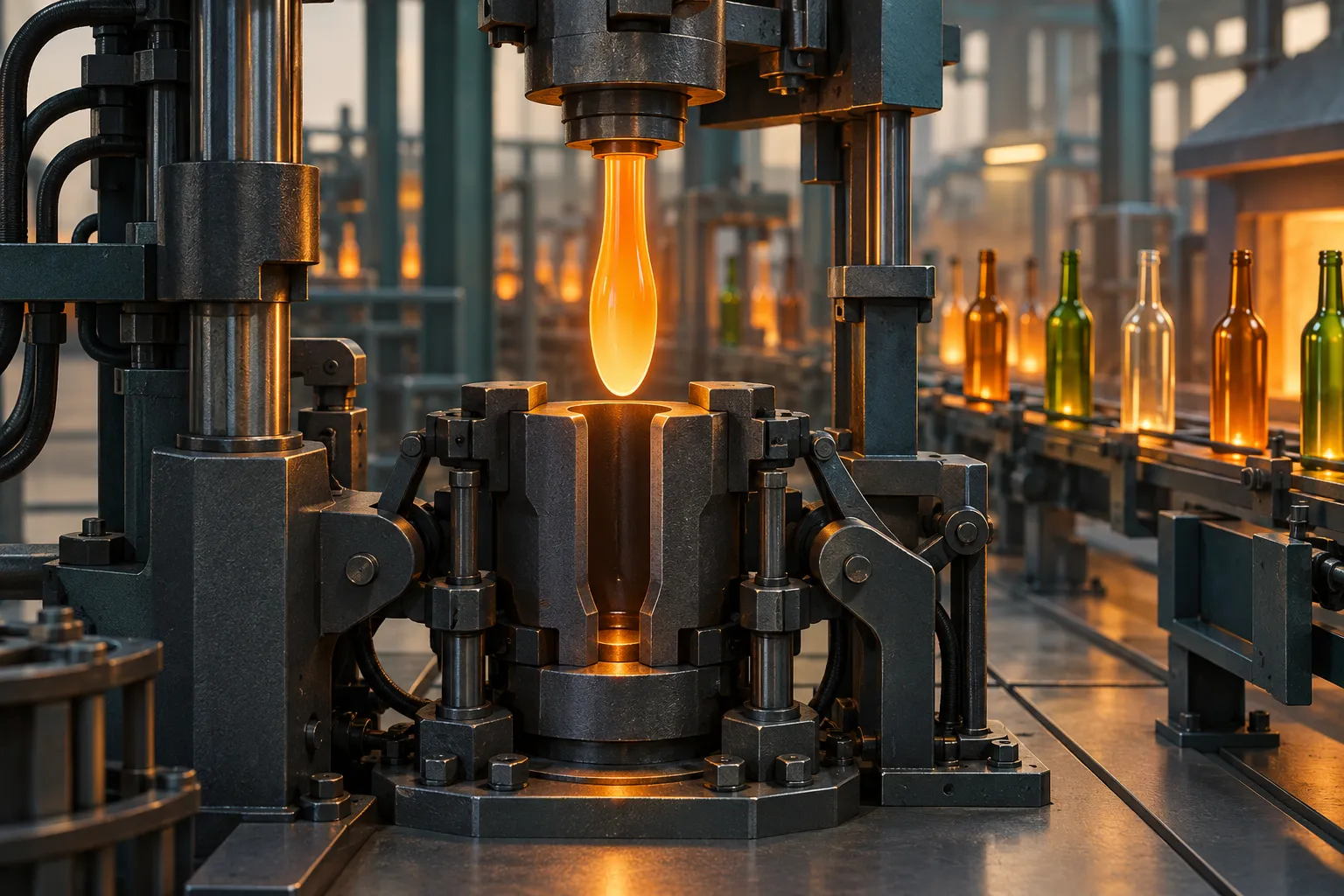
A plain-language walk through glass bottle manufacturing: batch, furnace, forehearth, gob feeding, IS machine forming, coatings, annealing and inspection.
Read the guide
Beyond the gram count: glass distribution, strength test evidence, finish fit, line trials and how to read weight and carbon claims on light wine bottles.
Read the guide
How to read a recycled glass content claim: cullet types, plant averages vs product figures, reporting period, colour limits and verification to request.
Read the guide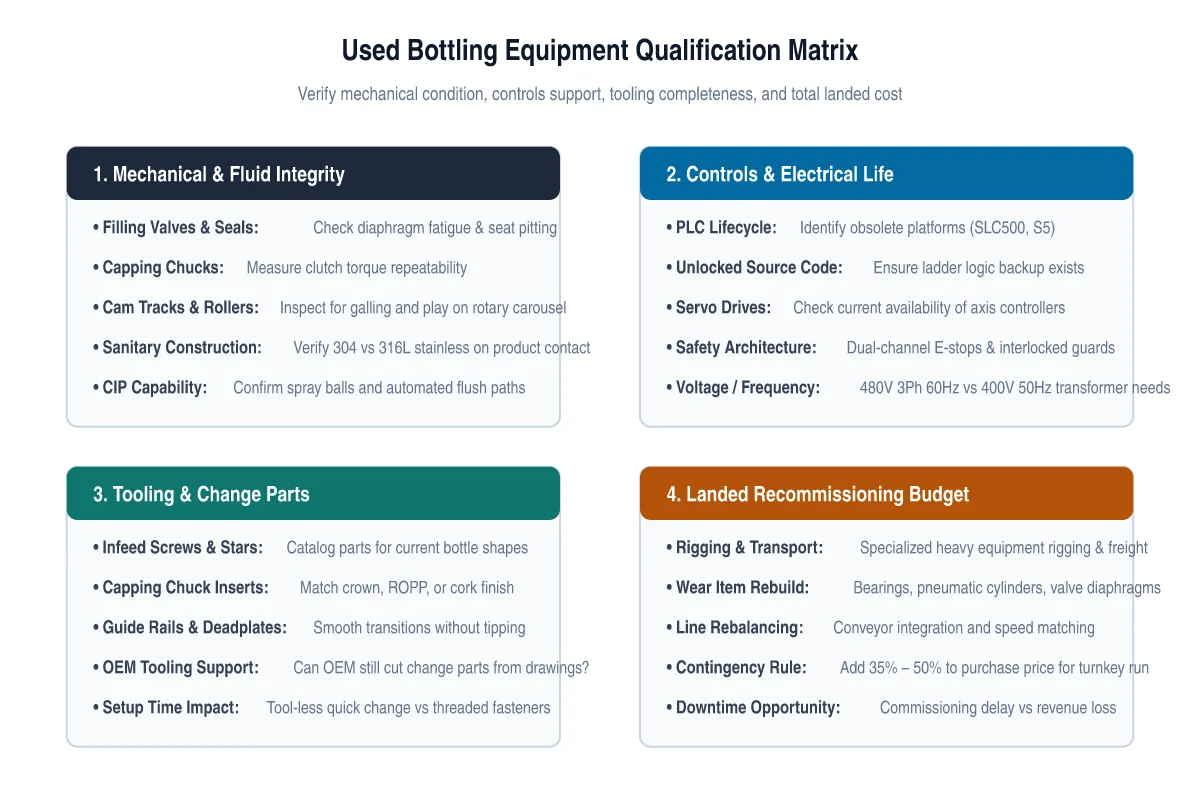
Used bottling equipment checklist: valve and cam wear, PLC lifecycle status, voltage and frequency, change parts and an itemized recommissioning budget.
Read the guide
Separate single-use glass milk bottles from returnable ones by the bottle, cap, incoming protection, washing, and inspection documents each party confirms.
Read the guide
Separate the US distilled-spirits sizes in 27 CFR 5.203 from brimful capacity, the neck finish, and the line trial. Unknown cells stay blank.
Read the guide
Convert bottles per minute to bottles per hour, separate planned production time from stop, speed and reject losses, and calculate shift good-bottle output.
Read the guide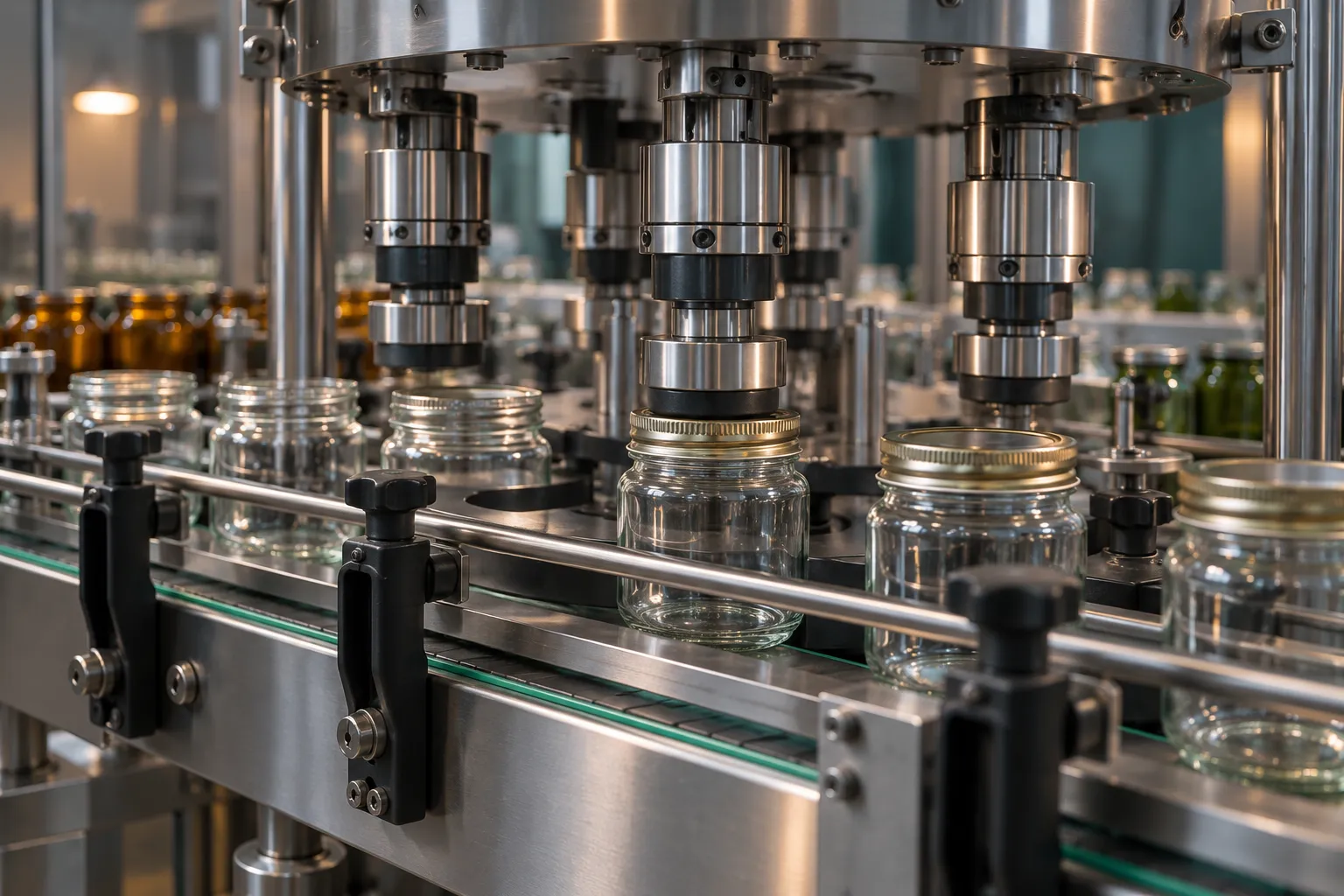
Compare glass bottle closures across steam-vacuum lug, continuous thread (CT), and ROPP aluminum caps with torque, liner compression, and dud-detection specs.
Read the guide
How small glass-bottle producers can choose between manual fillers, semi-automatic machines and compact lines, using published rates and bottle-fit limits.
Read the guide
Compare published Accutek and E-PAK bottling categories. Blank cells are items those pages do not state, including glass finish, price, and a shared line rate.
Read the guide
Use Aptar's L'Occitane pump announcement to review glass refill bottles: 24/410 finish, dose, orientation and the bottle-pump checks still needed.
Read the guide
A 53 ft van takes 26 floor-loaded 48 x 40 pallets, but glass often reaches the weight limit first. How to work out pallet weight and which limit binds.
Read the guide
A mismatched bottle order can stop a filling run. Compare supplier identity, product evidence, samples and delivery terms before committing to bulk glass.
Read the guide Specify glass liquor bottles wholesale with extra-flint Fe2O3 limits, 750 mL weight and base knurling specs, and 18.5 mm or 19.5 mm bar-top cork tolerances.
Read the guide
Review Sidel's RoboSELEX announcement: glass-bottle handling limits, conflicting changeover times and checks at the interface with a case packer.
Read the guide
Choose a 750 ml empty bottle for still wine by checking its neck finish, closure, brimful capacity, punt profile and temperature-specific fill position.
Read the guide
Specify amber glass bottles with a defined spectral band, article-specific evidence and separate checks for beer lightstruck risk and package exposure.
Read the guide
Specify Boston round glass bottles using catalog finish designations, bottle and assembly drawings, and documented dropper or pump stem geometry.
Read the guide
Choose glass dropper bottles by checking the finish, pipette length and diameter, bulb material, fill level and sample results before a bottling-line trial.
Read the guide
Compare glass and plastic bottles for a commercial product: package and closure evidence, line trials, quote inputs and the limits of environmental claims.
Read the guide
Identify glass bottle defect locations, preserve lot and sample evidence, and use a receiving report to separate observations from supplier findings and release decisions.
Read the guide
Cullet percentage, furnace energy, flint and amber color windows, and stone faults from ceramic fragments.
Read the guide